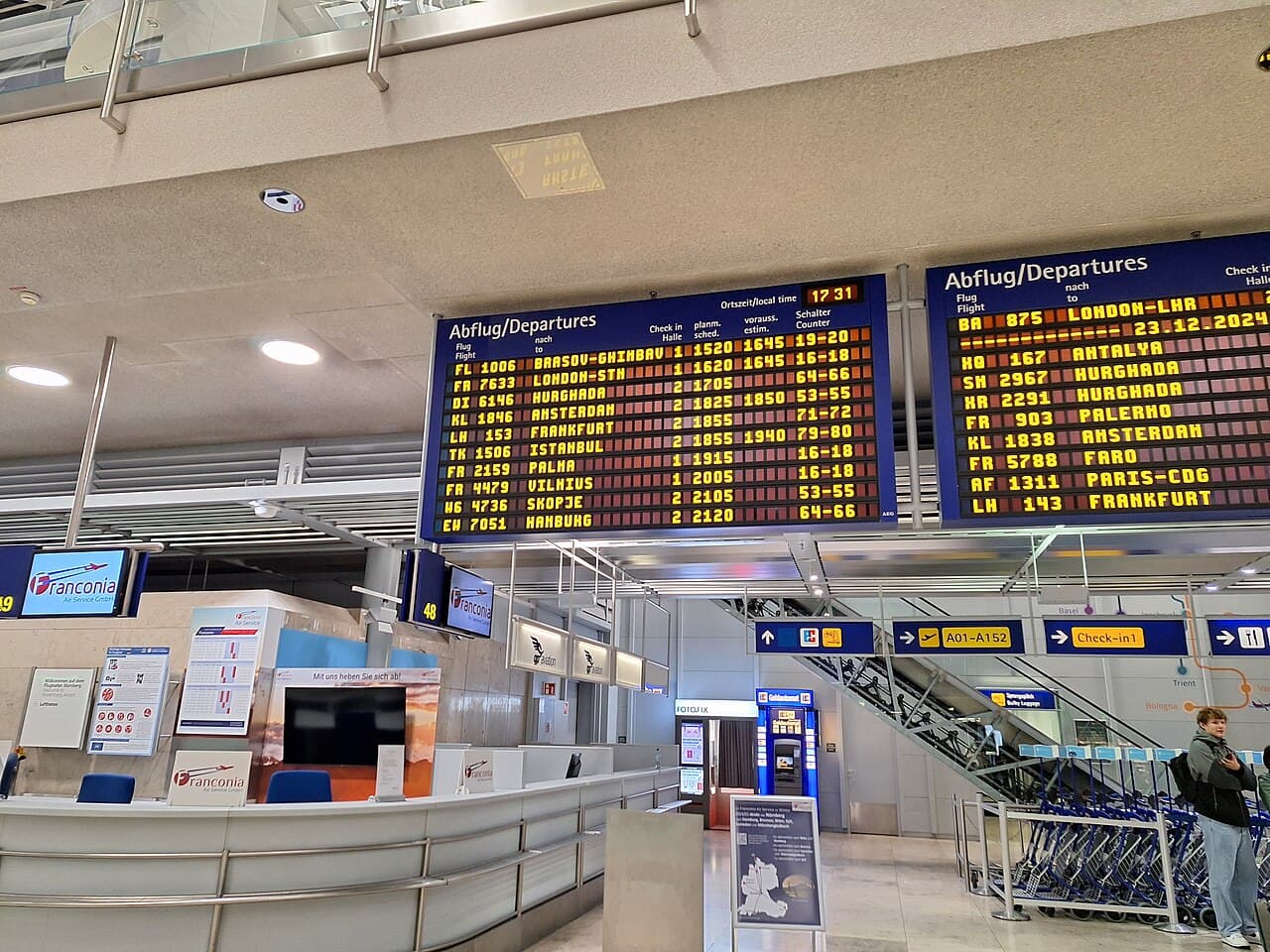
Codeshare flights often confuse travelers: you buy a ticket from one airline, but a completely different airline's logo greets you on the plane. This isn't a mistake — it's normal. A large share of the world's flights run on codeshare agreements. In this article we'll explain what a codeshare flight is, why it matters when you book, and how to avoid confusion at the airport.
🤝 What is a codeshare
A codeshare is an agreement between two or more airlines under which the same flight is sold by several carriers, each under its own flight number and code. Physically there is one aircraft operated by one airline, but the ticket may be sold under several different brands.
For example, the Tbilisi-Istanbul flight is operated by Turkish Airlines, but a partner airline also sells the same seats under its own code. You board the very same plane no matter whose ticket you hold.
🎫 Marketing vs operating carrier
- Marketing carrier — the airline you bought the ticket from, whose code is on the flight
- Operating carrier — the airline that actually flies the route and services the aircraft
- Your booking will show an “operated by …” note that tells you who really flies
- Check-in almost always happens at the operating carrier's desk or website
🧳 Why this matters
- At the airport you look for the check-in desk under the operating carrier's name, not the marketing one
- Carry-on and baggage allowance is often set by the operating carrier's rules — check in advance
- You can still earn frequent-flyer miles through an alliance partner program
- An online check-in link may redirect you to the operating carrier's website
Before heading to the airport, review your booking and note the “operated by” name — that takes you straight to the right check-in desk and saves time.
🔗 Codeshare or interline
Don't confuse codeshare with interline. With a codeshare, one flight is sold under several codes. An interline is an agreement between separate flights, where airlines hand off baggage and passengers on a single ticket even though the flights are different.
This matters most on connecting routes: on a single ticket your baggage is checked through to the final destination and your connection time is protected. Before you book, read the minimum connection time guide and the layovers and transit article.
✅ Tips when booking
- Watch for the “operated by” note — that's the airline that will actually serve you
- Check the baggage allowance on the operating carrier's site, not just the seller's
- On long routes choose a single ticket so your connection and baggage are protected
- To compare flights and see prices, use the Travel365 price calendar
If you collect frequent-flyer miles, you can earn them on a codeshare flight too — just add your loyalty number to the booking. Details in the frequent-flyer miles guide.
🧭 Conclusion
A codeshare is neither a glitch nor a trap — it simply means a different airline operates the flight than the one printed on your ticket. The key is knowing who actually flies, where to check in and what baggage allowance applies. If your bag goes missing, the lost luggage guide will help.
When booking your next flight, use the Travel365 flight search — compare prices and pick the most convenient route.
Tags