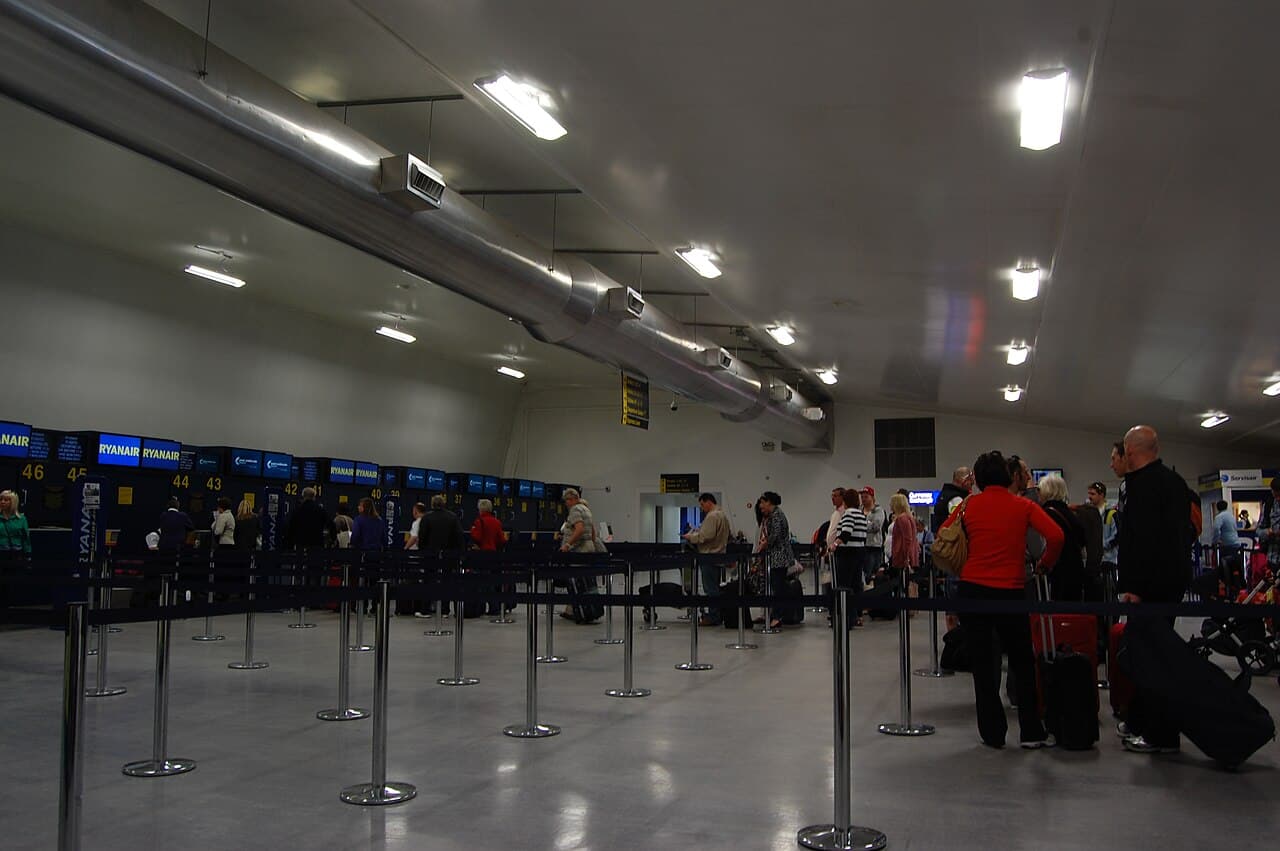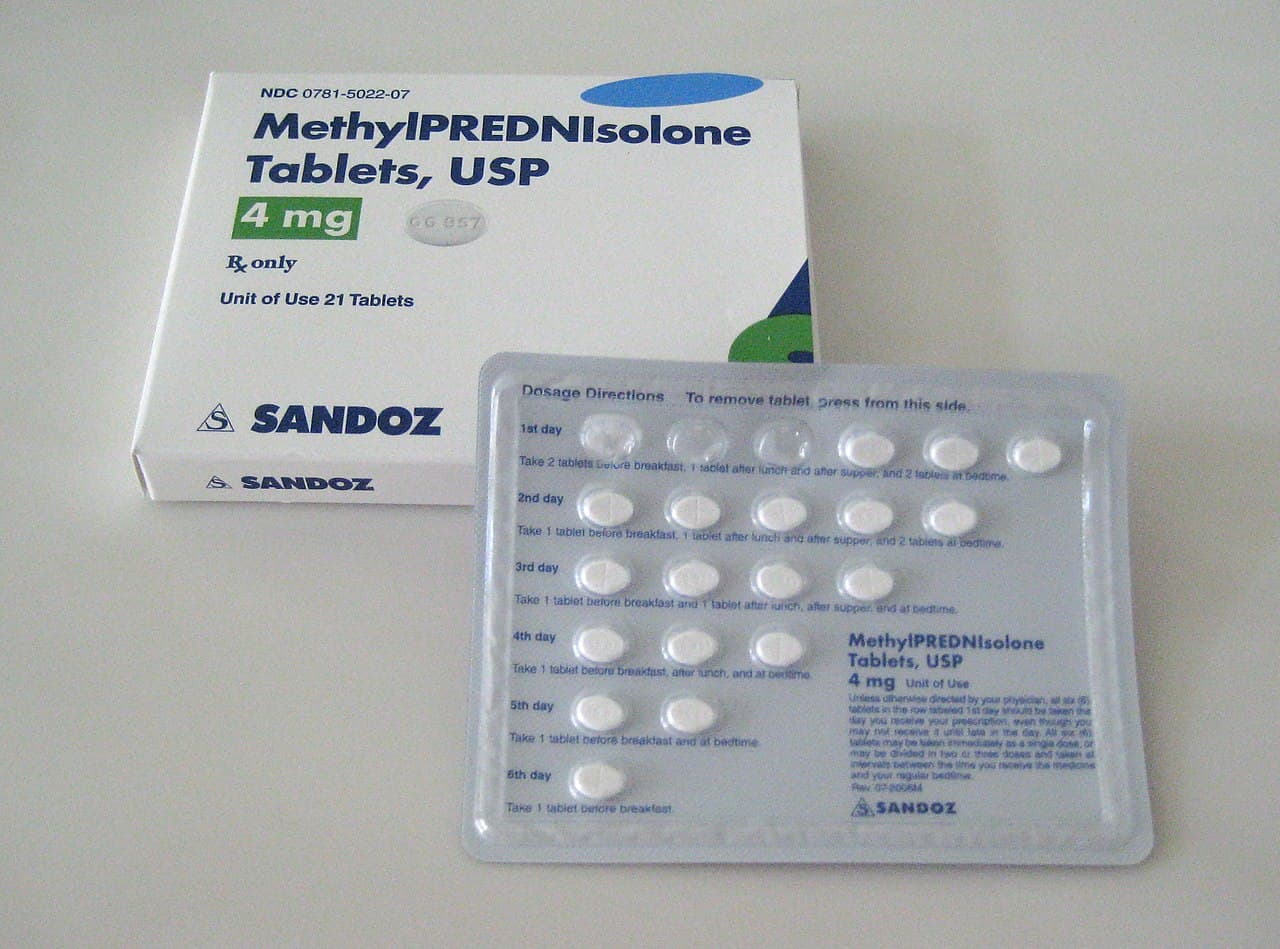
Taking medications abroad only looks simple — in reality every country has its own rules, and what's sold over the counter in Georgia counts as a controlled substance elsewhere. This guide explains how to pack your medicines correctly, which documents you need and where you must be especially careful.
📋 Ground rules for any country
- Carry medication in its original packaging — with the label and leaflet
- Bring a prescription or a doctor's note in English — with the diagnosis and the drug's international name
- Only a personal-use quantity — typically a 30-90 day supply
- Put all medications in one transparent bag — it saves time at security
🎒 Carry-on or checked baggage
Always pack medications in your carry-on: checked baggage can be delayed or lost, and the temperature in the hold ruins some preparations.
Liquid medications are exempt from the 100 ml limit — you may carry what you need if you present a prescription. Declare them at security in advance. See our carry-on rules and airport security tips for details.
🚫 Strict countries — UAE, Qatar, Japan
The United Arab Emirates is among the strictest countries on controlled substances: codeine, tramadol and many sedatives require advance online approval. If you're flying to Dubai, verify the ingredients before the flight.
Similar rules apply in Qatar — keep them in mind when traveling with our Doha guide. And in Japan, cold medicines containing pseudoephedrine are banned outright.
Bringing a controlled medication into the UAE without approval is treated as a criminal offence — verify any questionable preparation on the country's official website before flying.
🇪🇺 Europe and the Schengen area
For common medicines, Europe is comparatively relaxed — original packaging and a prescription are entirely sufficient. For psychotropic and potent drugs, check the specific country's rules in advance on its embassy website.
Remember that customs checks on Schengen entry happen at random too — keep your medication documents within easy reach.
💉 Chronic conditions — insulin, syringes, inhalers
Insulin, syringes and inhalers are allowed on board, but always carry a doctor's letter — it's what resolves questions at security. On long flights, recalculate dosing times — our jet lag management guide is useful here.
Keep prescription copies in the cloud as well (Google Drive, email) — if anything is lost, the process with a local doctor gets much easier.
🛡️ Insurance and the pharmacy on the spot
Good travel insurance covers both the doctor's visit and emergency medication — buy the policy before you fly. Add your medicine list to the pre-flight checklist so nothing is left to the last minute.
Plan your trip and find cheap flights on Travel365's price calendar.
Write down each drug's generic (international) name — brand names differ by country, and a foreign pharmacy will find your equivalent by the generic name.
Tags