Bus boarding is the situation where your plane isn't parked at the terminal's jet bridge but out on the open apron, and a dedicated bus takes you from the gate to the aircraft. On low-cost flights (Wizz Air, Ryanair, Pegasus) it's standard practice, but full-service airlines use it too. This guide explains what a remote stand is, why airlines use it, and how to board without any stress.
🚏 What a remote stand is
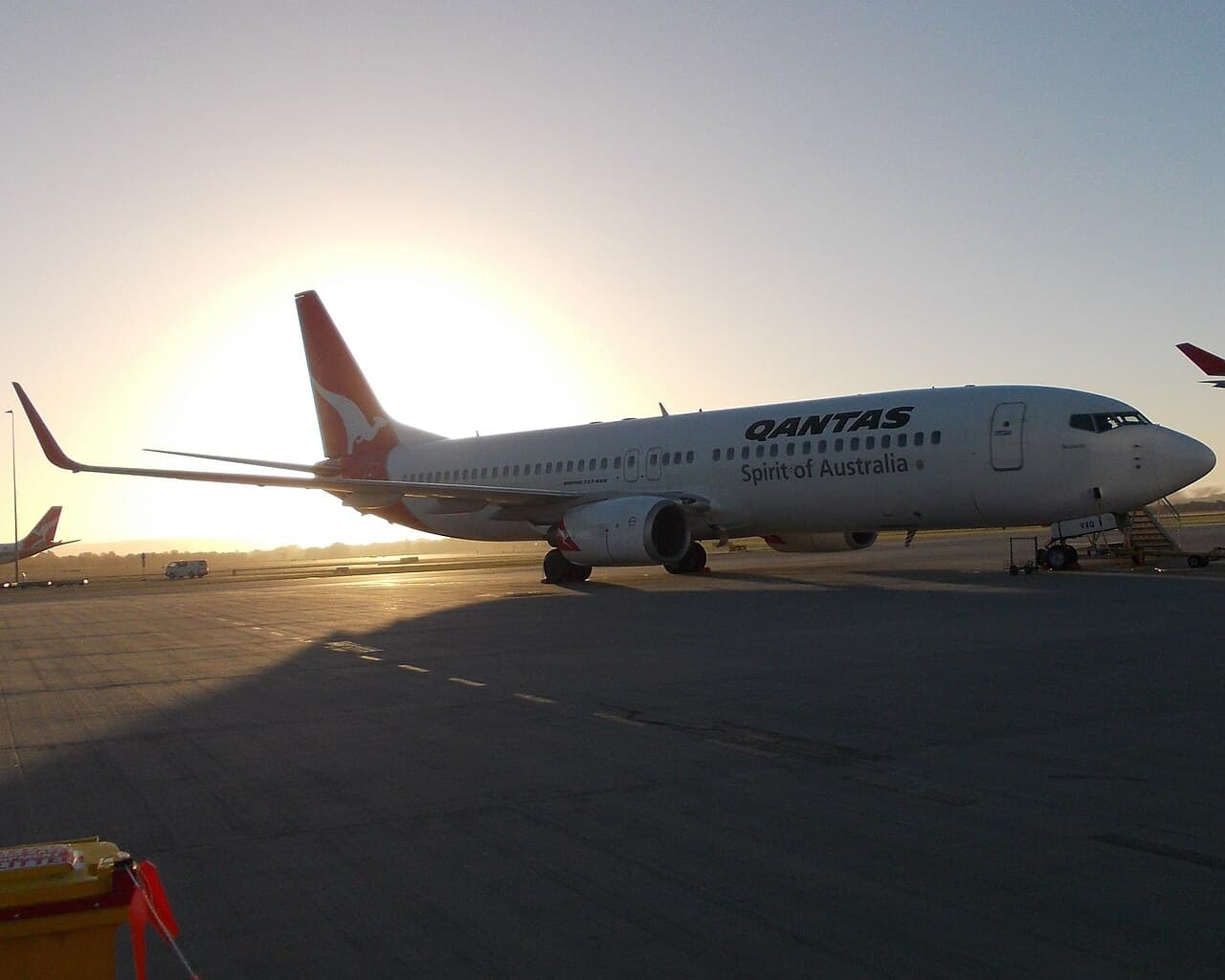
A remote stand is an aircraft parking position out on the airport apron, away from the terminal building. In that case no jet bridge reaches the plane, and passengers are either driven to it by bus or, more rarely, walked along a controlled path.
You board the aircraft by airstairs (an external staircase) — often by two staircases at once, through the front and rear doors, which speeds boarding up.
💰 Why airlines use this method
The main reasons are cost and capacity. A jet-bridge gate is an expensive resource and they are limited in number. A remote stand plus a bus lowers the airline's airport fees — and that saving is one reason low-cost tickets are cheap.
On top of that, big, busy airports physically don't have enough jet bridges for every flight, so remote stands appear at peak times even with full-service airlines.
Bus boarding has no effect on flight safety — it's purely a logistics matter. For more on the low-cost model see the low-cost airline tips.
⏱️ What changes for you — time and steps
- Boarding starts a little earlier — the trip to the bus and the aircraft takes time
- The queue at the gate is for boarding the bus, not the plane directly
- The bus reaches the aircraft in 3-7 minutes; then you climb the airstairs
- "Priority boarding" often loses its point here — whoever boards the bus last often gets off first
- You feel the weather directly — rain or cold hits you on the stairs, so keep a jacket handy
🎒 Practical tips for bus boarding
Since you walk and climb stairs to the aircraft, keep your carry-on manageable — a wheeled case is heavy to lift up the stairs. There's little room on the bus, so hold a large bag in your hands and wear sturdy shoes.
If you have a connection, a remote stand eats extra time — factor that in when calculating your minimum connection time. For the whole boarding sequence see the boarding process guide.
Don't rush onto the bus — if you stand near the doors last, you often get off first and skip the queue at the airstairs.
🧭 Airport navigation and next steps
Bus-boarding gates are often at the far end or lower level of the terminal — leave extra time and read the airport navigation guide so you find your gate on time. For what happens after you land, see the airport arrival process guide.
Find the cheap flights where bus boarding is common on the Travel365 price calendar and flight search.
Tags