Currency exchange is one of the most common hidden costs of travel. A 3% commission sounds small, but on a €1,000 trip over 10 days it adds up to €30 or more lost to unfavourable rates. Here is how to minimise that loss. For travel insurance costs, see our 'Travel Insurance Guide'.
The most expensive places to exchange money
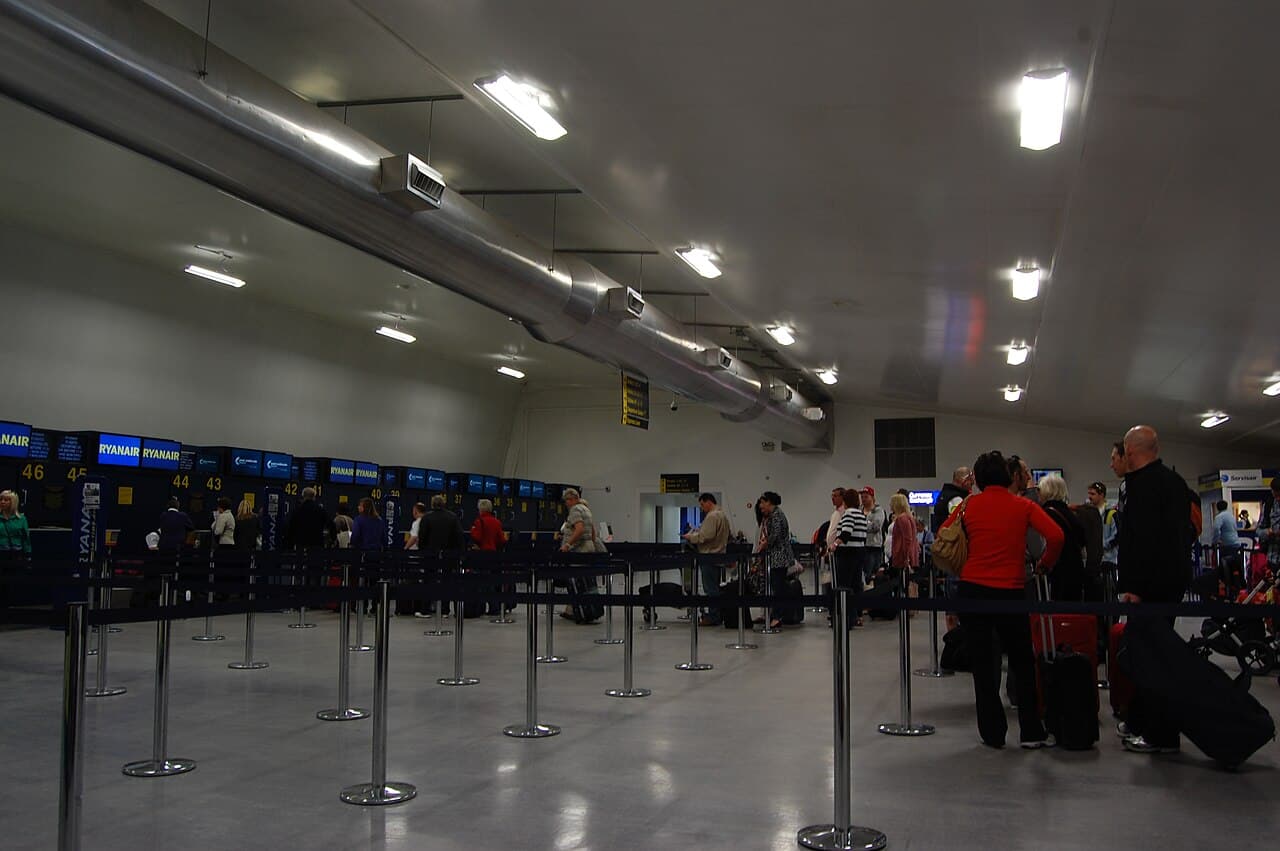
- ✗ Airport exchange bureaux — 10-15% below the real rate; use only as a last resort
- ✗ Hotel reception — even worse; the hotel sets its own markup on top of the bank rate
- ✗ Exchange kiosks in tourist squares — designed for inattentive visitors
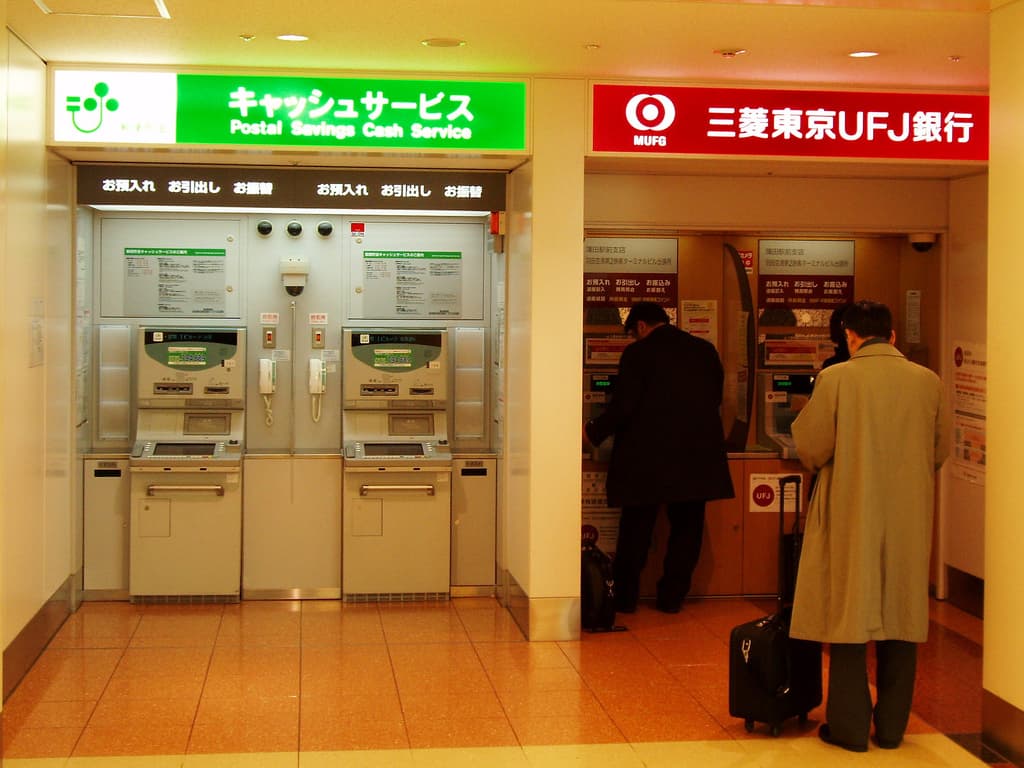
- ✓ Bank ATM — best available rate plus your card's own fee
A bank card is almost always your best tool
Paying by Visa or Mastercard in Europe always charges local currency. The total cost — exchange rate plus bank commission — is typically 1.5-3%, which beats any currency kiosk.
Georgian bank cards (TBC, BOG, Credo) each carry a different foreign-transaction fee. Check yours before travelling — it is usually under 2%.
How to use an ATM correctly abroad
- Always choose 'pay in local currency' — EUR, GBP, TRY, PLN, etc.
- 'Pay in your card currency (GEL)' is Dynamic Currency Conversion (DCC) — always decline it
- Prefer a bank's own ATM over a third-party machine; the latter often charges a high flat fee
- Withdraw larger amounts less often — minimises the number of flat fees charged per transaction
Revolut and fintech cards: the smart choice
Revolut uses the interbank (real) exchange rate with zero commission up to a monthly limit on the free plan — the most cost-effective option for most Georgian travellers. Wise (formerly TransferWise) is a strong second choice.
On the free plan: up to €1,000/month card spend at 0% commission; ATM withdrawals above €200/month incur a 2% fee.
Dynamic Currency Conversion (DCC) is the most common trap abroad. A POS terminal may ask 'charge in GEL?' — always decline. Pay in the local currency every time: EUR, GBP, TRY, PLN, and so on.
When cash is still necessary
- Small local businesses, markets and street-food vendors often prefer or require cash
- In Turkey cash is preferred for bazaar bargaining; in Western Europe cards are accepted almost everywhere
- Keep 200-400 GEL equivalent in cash as an emergency reserve in a hidden pocket or money belt
- Georgian lari is accepted in Armenia and Azerbaijan — useful on South Caucasus multi-country trips
Tags