Traveling Europe by bus is the cheapest way to move between cities — often several times cheaper than flying or the train. If your budget is tight and your time is flexible, the long-distance bus is a great way to discover Europe. This guide explains which companies operate, how to book cheaply, and what to know before you go.
💶 Why the bus — price is the main advantage
A bus ticket is often between $6 and $15 even on routes where the train costs $40+. For example, Berlin-Prague or Vienna-Budapest by bus is frequently $10-14 if you book early.
A bonus — an overnight bus saves a hotel night, just like night trains in Europe. If you're planning your overall budget, the bus fits neatly into travel budget planning.
🚌 The main companies
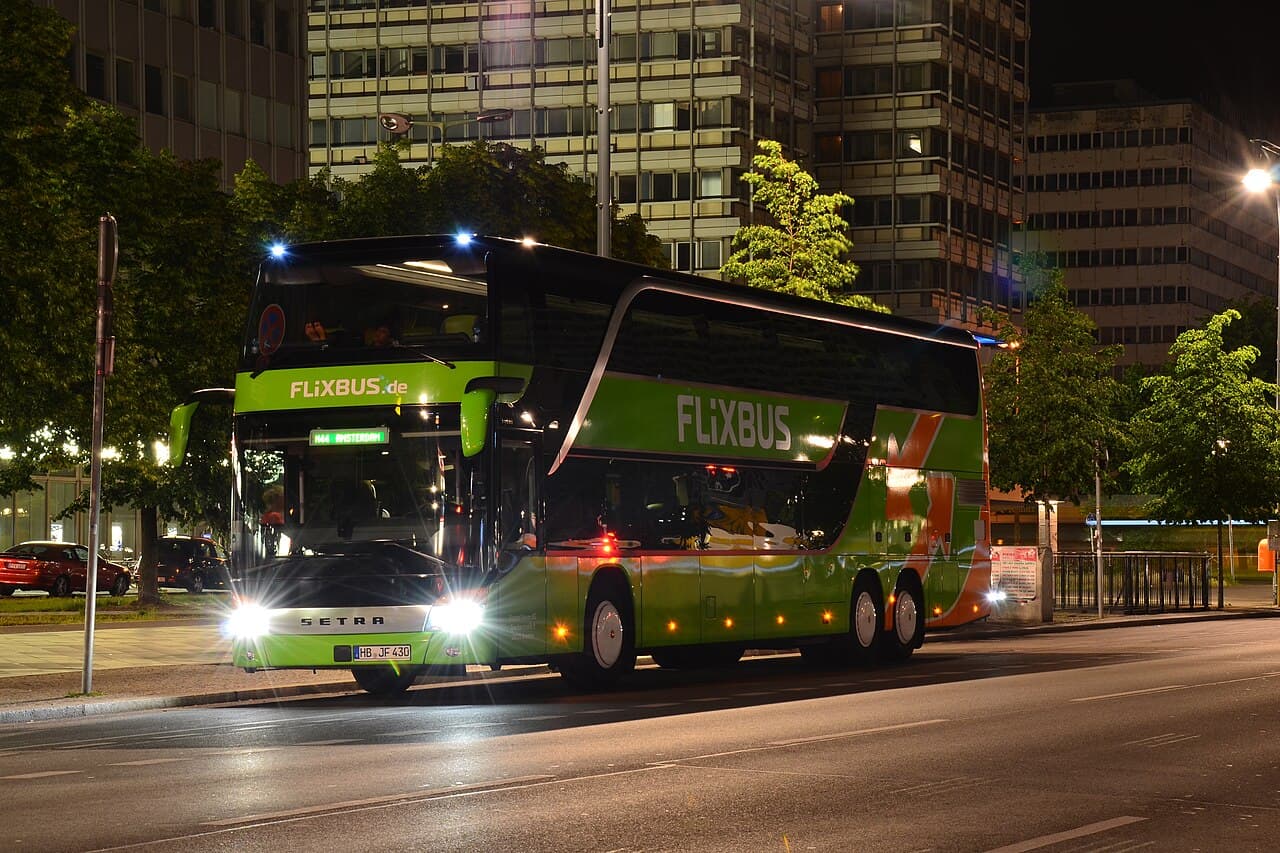
- FlixBus — the largest network in Europe, thousands of routes, green buses, a convenient app
- BlaBlaCar Bus — strong in France and Western Europe, often cheaper than FlixBus
- Regiojet — Central Europe (Czechia, Slovakia, Austria), with free drinks on board
- ALSA — the main operator in Spain and Portugal
- Eurolines / local operators — extra options in individual countries
🎫 How to book cheaply
Like a flight, a bus ticket is cheaper booked early — reserving 3-4 weeks ahead is often half the price. Buy directly in the company's app or website; middleman platforms sometimes add a fee.
Compare several operators at once — the same route is often covered by three companies at different prices. If your dates are flexible, use the same logic as with flights — see flexible dates savings.
In the FlixBus app your ticket is stored as a QR code — no printing needed. Download your route offline, since you may not have internet at boarding.
🧳 Luggage, comfort and practical tips
- Luggage: usually 1 checked bag (20 kg) + 1 carry-on free — generous compared to airlines
- Arrive at the stop 15 minutes early — the bus leaves on time and won't wait
- On overnight routes bring a neck pillow, eye mask and charger (a USB port is usually on board)
- Keep your passport handy when crossing borders — checks inside Schengen are rare but possible
- On long routes stops come every 3-4 hours — bring water and snacks in advance
🚄 When the train or a flight is better
The bus is ideal for short-to-medium distances (2-6 hours) and a tight budget. If the distance exceeds 800 km, a low-cost flight or high-speed train often wins on time — compare options in the Europe public transport guide and the Interrail/Eurail guide.
For an overall budget-travel strategy, the budget destinations from Georgia guide helps. To fly into Europe cheaply, search flights and compare prices on the Travel365 price calendar.
Chain the logic: fly cheaply into one European hub (e.g. Milan, Krakow), then take the bus to nearby cities — this is often far cheaper than separate flights.
Tags