Turbulence in flight scares a lot of passengers — the plane starts shaking, the seatbelt sign comes on and your heart often beats a little faster. In reality, turbulence is a normal, technically expected part of flying, and the aircraft is fully built for it. This guide explains why turbulence happens, how dangerous it really is and how to keep calm.
What turbulence actually is
Turbulence is unstable air movement that the aircraft passes through. Air is constantly moving — flows of different temperature, pressure and speed meet and create air 'pockets' and waves. When the wing crosses such a flow, the plane shudders or dips slightly — exactly like a car on a bumpy road.
Why it happens — the main causes
- Thermal currents — warm air rising from heated ground, especially at midday
- The jet stream — fast bands of air at high altitude
- Mountains — wind breaks into waves as it crosses the ridge
- Weather — thunderstorm clouds and fronts
- The wake of another aircraft (wake turbulence) near runways
Is it dangerous — the facts
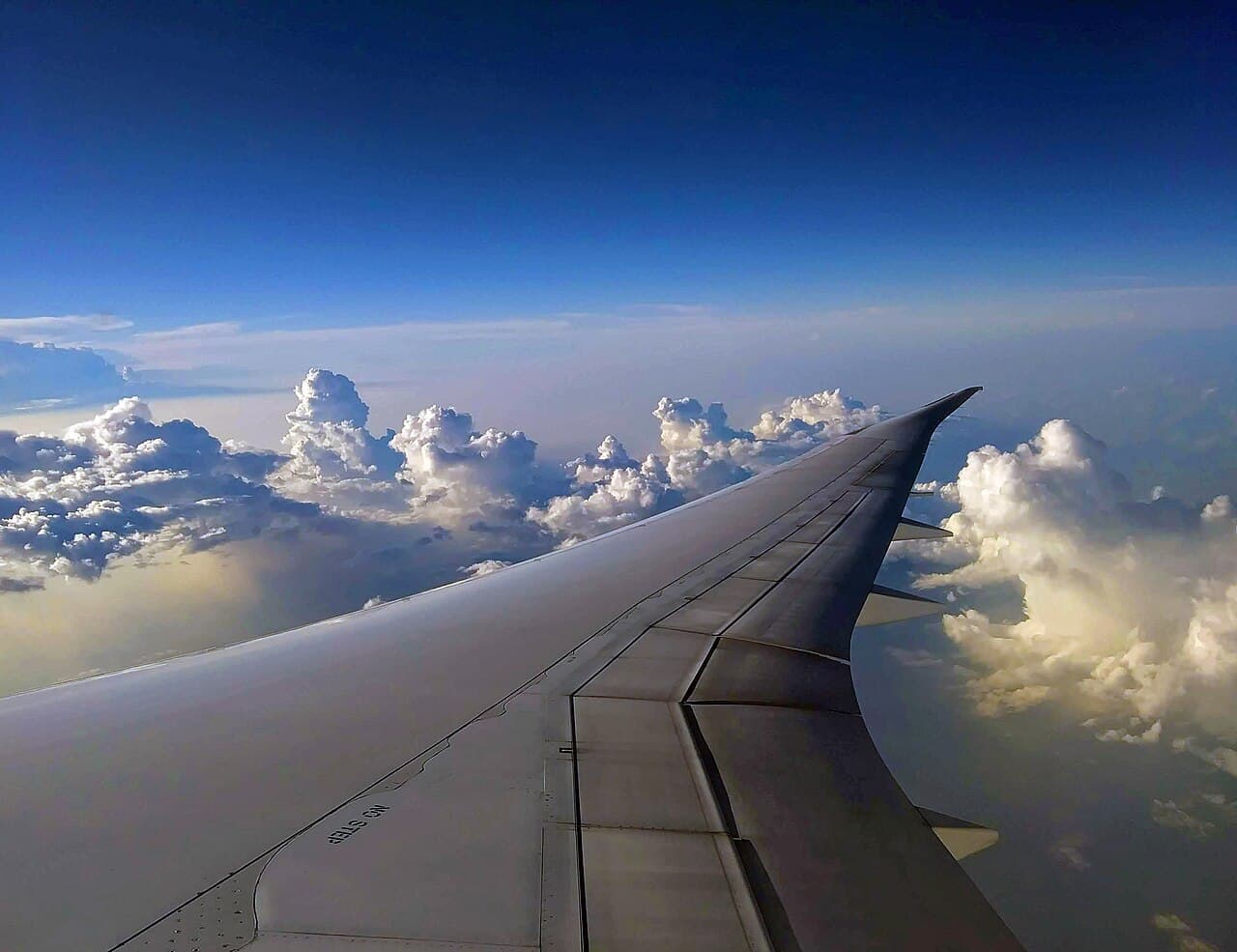
The short answer: no. A modern aircraft is built to withstand turbulence far stronger than you will almost ever experience in a real flight — the wing is flexible and bends on purpose. Pilots see weather zones in advance on radar and often avoid them by changing altitude or route.
The only real injury risk from turbulence is an unfastened seatbelt: a sudden jolt can lift you out of your seat. So keep your belt fastened whenever you are seated.
Statistically, flying is the safest form of transport. Turbulence is discomfort, not danger — the wing bends because it is meant to.
What to do during the flight
- Keep your seatbelt fastened the whole flight, not just when the sign is on
- Choose a seat over the wings — the shaking is felt least there; see seat selection strategy
- Breathe slowly and deeply — this calms your nervous system
- Distract yourself — music, a film or a book helps
- Watch the cabin crew — if they work calmly, everything is normal
If the fear of flying troubles you
Fear of turbulence is often part of a wider fear of flying. If the feeling is strong, preparation helps — read our guide to overcoming the fear of flying and our tips for surviving a long flight. Picking the best time to fly also helps — morning flights usually have less thermal turbulence.
Planning a calm flight starts on Travel365: compare flights and dates on the price calendar and choose the route that's most comfortable for you.
Tags