A multi-city Europe trip — combining several cities into one route — is one of the most efficient ways to see the continent. Planned right, a single ticket lets you visit several countries while saving time and money. This guide shows travelers from Georgia how to build a route, how to travel between cities, and what to watch for on visas and budget.
🧭 Building the route
A good multi-city route follows a logical geographic line, not a zigzag. Pick 3-4 cities that are close together and well connected — for example, Prague → Vienna → Budapest, or Paris → Brussels → Amsterdam.
- Start and end in cities with cheap flights from Tbilisi
- Give each city at least 2-3 days — a rushed route is tiring and more expensive
- Line the cities up along one axis so you don't double back
- First time on the continent? See the first time in Europe guide
🛂 The Schengen 90/180 rule
The Schengen area counts as one space — across its 27 countries you can stay a maximum of 90 days in any 180. On a multi-city trip this matters especially, since borders often no longer stamp your passport and counting the days is on you.
To count the days correctly, see the Schengen 90/180 rule. From 2026 an online authorization, ETIAS, is required before entry, and at the border the new EES system records your biometrics.
Don't mix these up: Croatia is in Schengen, Bulgaria and Romania joined fully in 2025 including land borders, while Britain and Ireland are not in Schengen — their days are counted separately.
🚆 Transport between cities
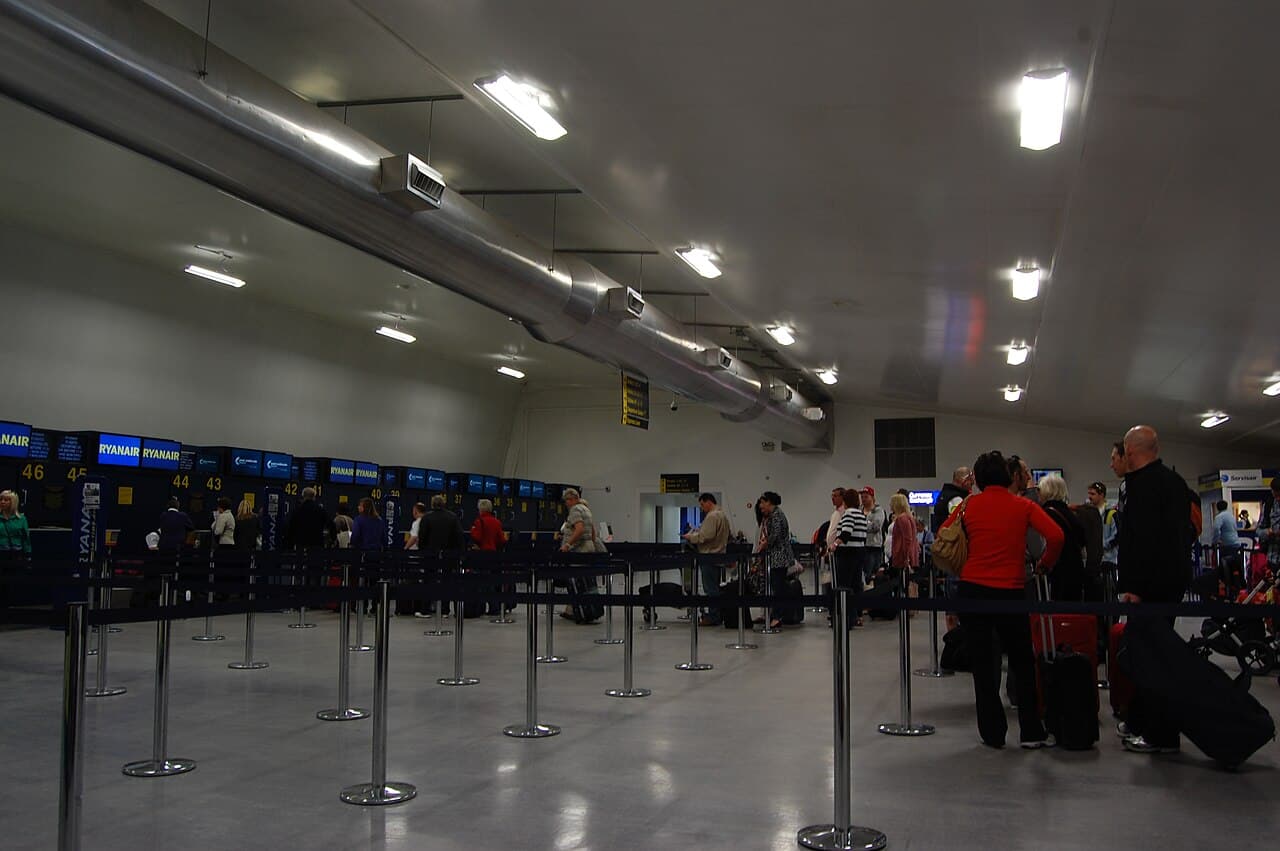
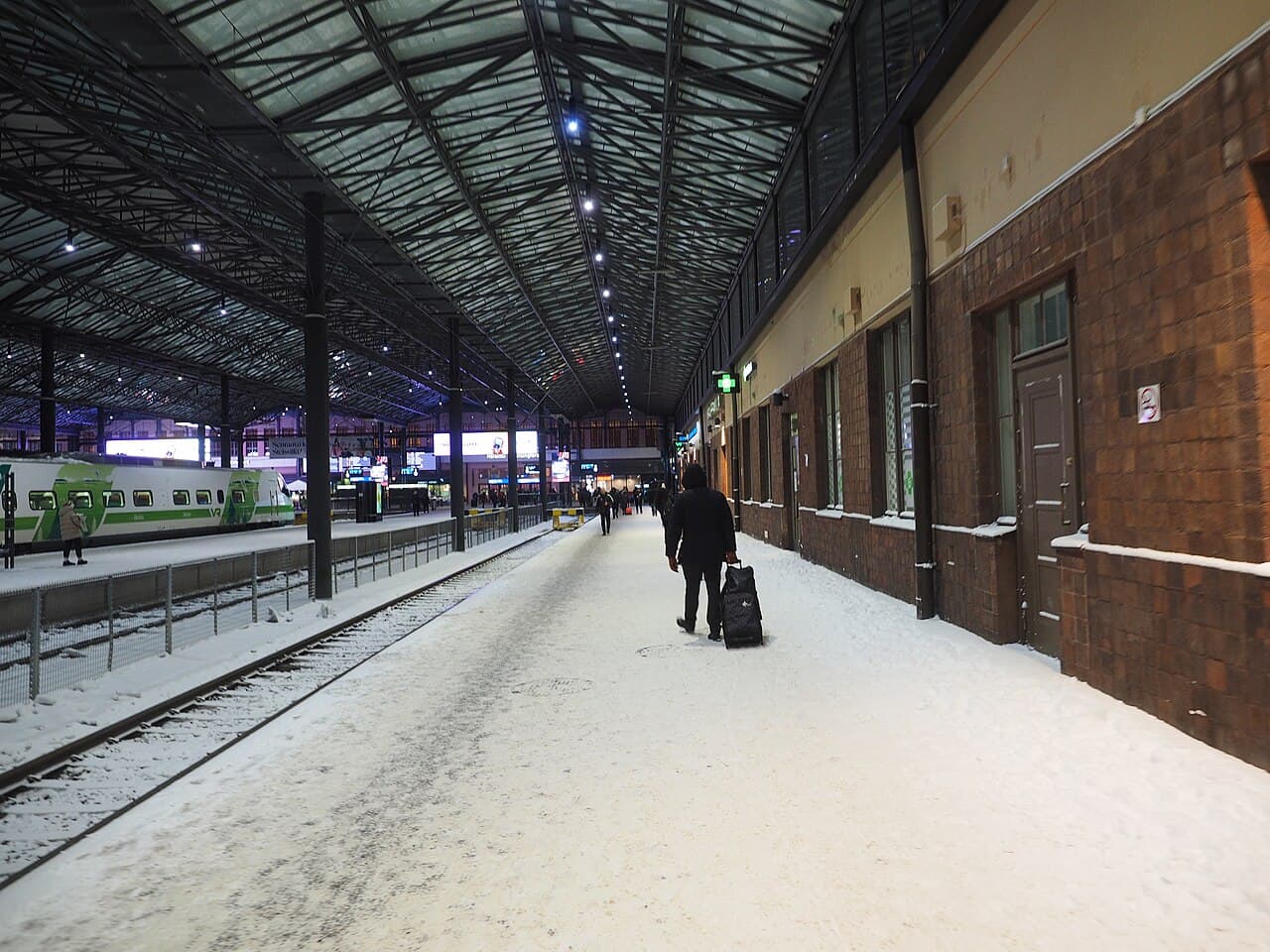
Europe has three main ways to move between cities: train, bus and low-cost flight. Over short distances (2-4 hours) a fast train is often the most comfortable, while over long distances a low-cost flight saves time.
- Train — comfortable and city-center to city-center; for frequent travel see the Europe rail pass guide
- Bus (FlixBus) — the cheapest; details in the intercity bus Europe guide
- Low-cost flight — fast over long distances, but baggage is a separate charge
- Night train — move overnight and save on a hotel
💶 Budget and open-jaw tickets
The main way to save on flights for a multi-city trip is the open-jaw ticket — you fly into one city and out of another, without returning along the same route. This is often cheaper than two separate tickets — see the open-jaw ticket guide.
Budget the hotel, food and transport for each city separately — prices vary sharply between them. For ballpark figures, each city's guide helps, e.g. Prague, Vienna and Budapest.
💡 Summary
- Pick 3-4 cities on one geographic line, 2-3 days each
- Count your Schengen 90/180 days and sort out ETIAS
- Match transport to distance: train for short, low-cost for long
- An open-jaw ticket often makes the flight cheaper
- Choose your entry and exit cities with the Travel365 price calendar
Tags