Airport bag drop is the step where you hand your checked suitcase to the airline so it travels in the aircraft's hold. It's exactly where first-time flyers get confused: where do I go, what is "bag drop," and when does it close? This guide walks you through checking your bag quickly, without the stress or an extra fee.
🧳 What bag drop is and how it differs from check-in
It used to be one counter for everything — both registration and handing over your bag. Today, when you do online check-in from home and your boarding pass is already on your phone, all that's left at the airport is dropping the suitcase — and that dedicated counter is called "bag drop."
If you didn't check in online, you'll usually need the full check-in desk, where they register you first and then take your bag. Bag drop is faster because the line is separate and the procedure is short.
🪧 Step by step — where and how to drop your bag
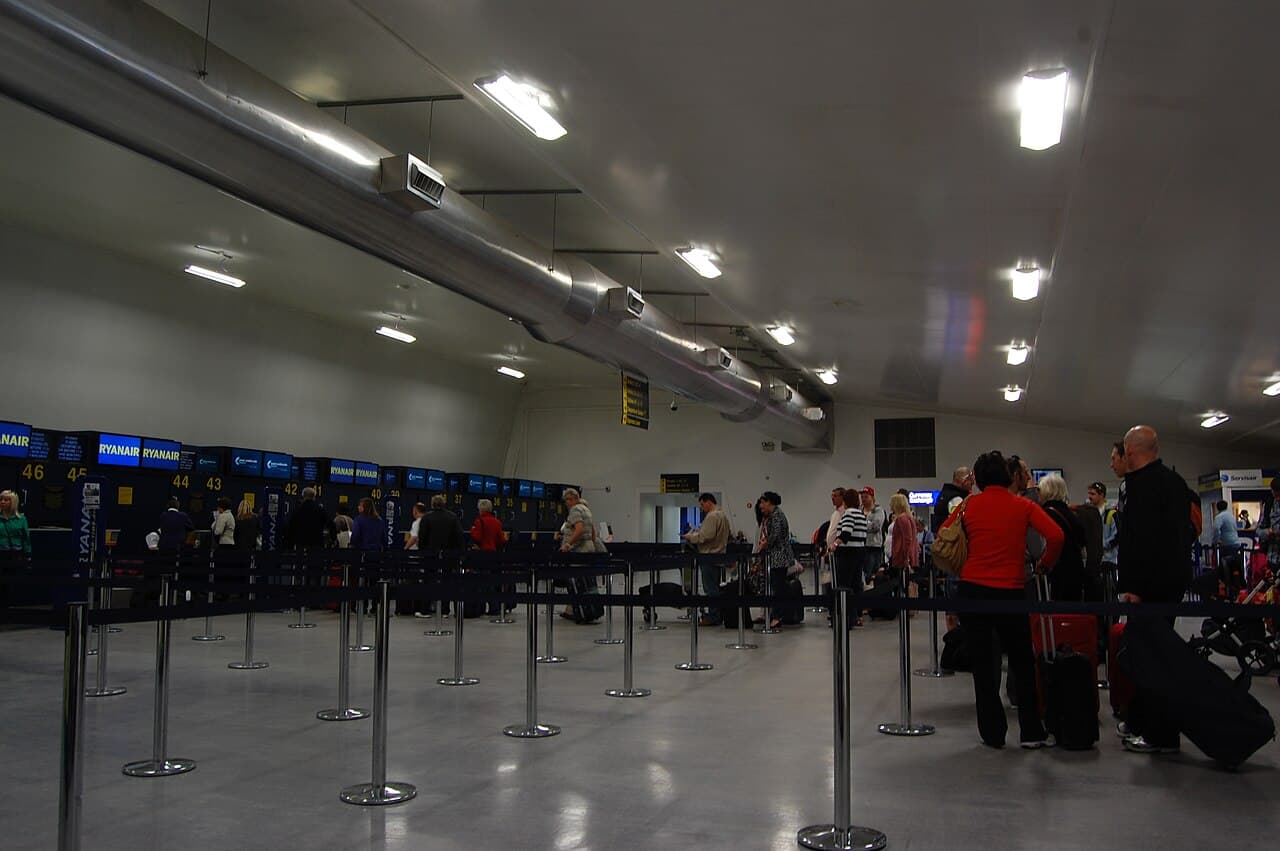
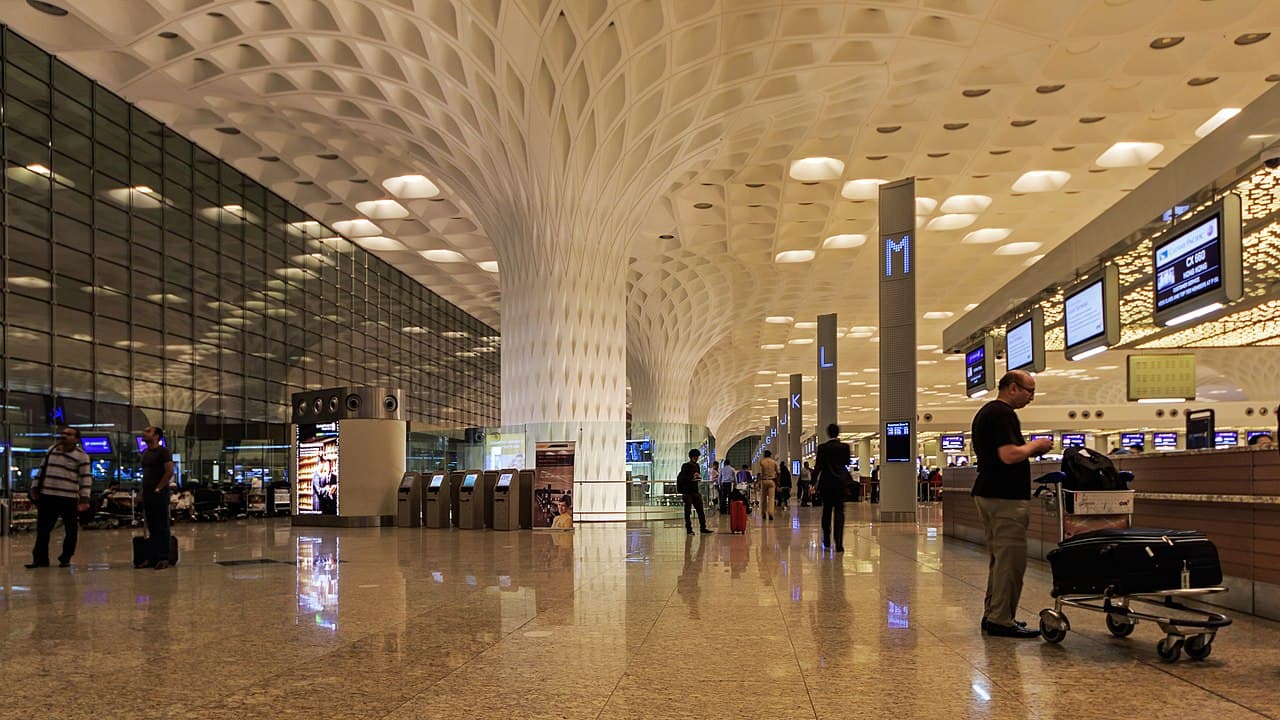
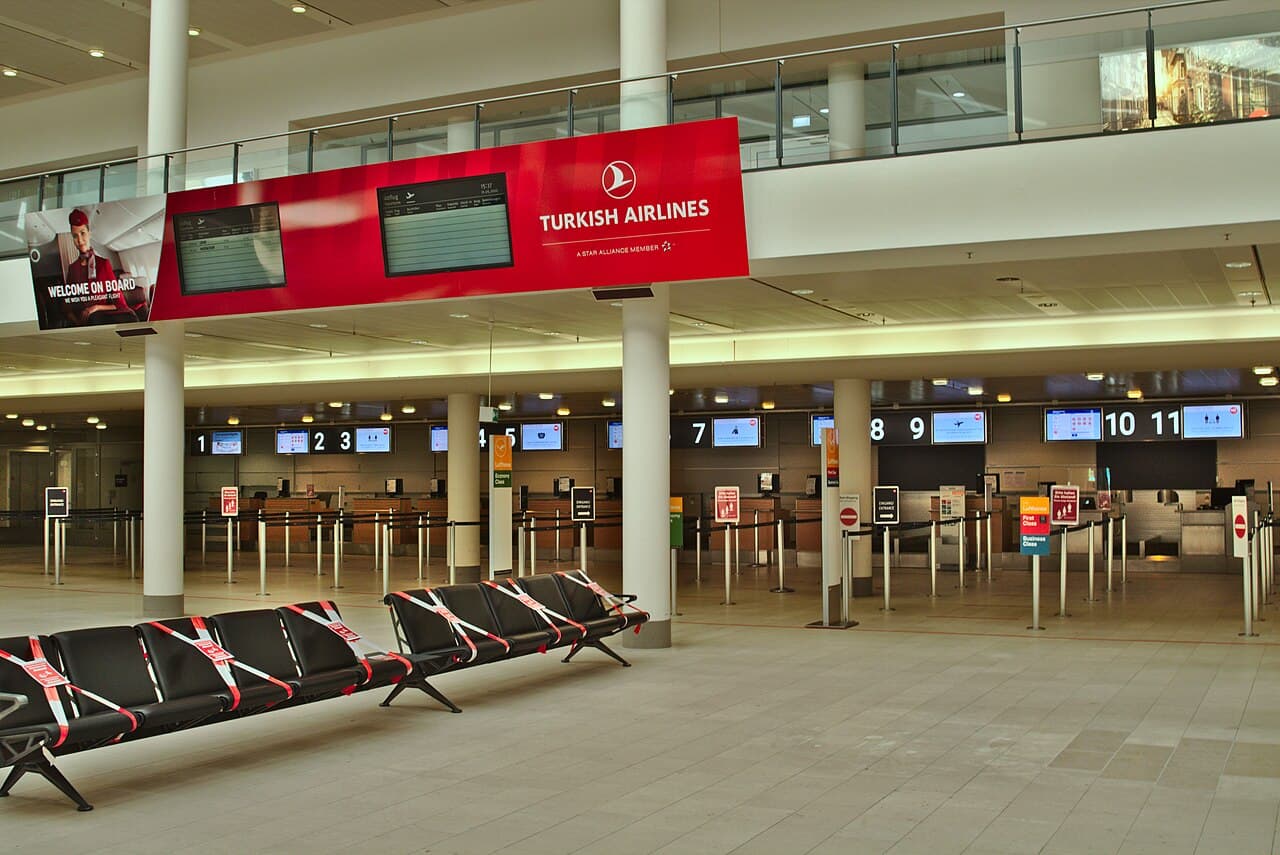
- Find your airline's check-in area — the board shows your flight number and desk numbers; the airport navigation guide helps you get there
- Look for a "Bag Drop" or "Baggage Drop-off" sign — it's often a separate, shorter line
- Have your boarding pass (on your phone or printed) and passport ready
- Place the suitcase on the scale and hand your documents to the agent or scanner
- Take your bag-tag receipt — keep the little stub with the bag number until you land
⏰ Cut-off times — when bag drop closes
This is the most important rule: bag drop closes a set time before departure — and if you're late, you can't check the bag even if you're already registered. On international flights the counter usually closes 45-60 minutes before departure; with low-cost carriers (Wizz Air, Ryanair, Pegasus) it's often 40 minutes before.
So plan your arrival around the bag-drop cut-off, not around boarding. For an international flight, arrive 2-3 hours early — see the pre-flight checklist.
Once bag drop closes, flying carry-on only is often the only remaining option — and if your suitcase is large, you'll miss the flight. The risk of being late is far higher for a passenger with a checked bag.
⚖️ Weight, size and labeling
- Economy checked baggage is usually up to 20-23 kg; the exact limit is on your ticket — see checked baggage rules
- Excess weight is expensive: an extra kilo at the airport often costs $15-40, so weigh the suitcase at home first
- Carry-on is weighed separately and has its own rules — see carry-on luggage rules
- Don't pack fragile or valuable items (laptop, medication, documents) in checked baggage — keep them in your carry-on
- Attach a name-and-phone tag to the suitcase — it makes recovery easier if it's lost
🤖 Self-service bag drop and practical tips
At larger airports, self-service bag drop is increasingly common: you scan the boarding pass yourself, place the suitcase on the belt, print the bag tag and attach it. It takes 1-2 minutes and skips the queue. If the machine can't read something, there's always an agent nearby to help.
After dropping the bag, make sure it moved onto the belt and that the tag shows the correct destination code (e.g. TBS, IST). You'll collect it with the same tag on arrival — see the baggage claim guide.
Plan the whole trip from the start: search flights and compare prices on the Travel365 price calendar; find the cheapest dates on the price calendar.
Tags