EES (the Entry/Exit System) is Europe's new biometric border system that automatically records the entry and exit of non-EU nationals in the Schengen area. A Georgian citizen travelling visa-free to Schengen will also be registered in it. EES began a phased rollout in October 2025 and is fully operational in 2026. This guide explains what changes for the traveler.
🛂 What EES is and what it records
EES replaces the manual passport stamp with a digital record. As you cross the border, the system stores your data and automatically counts how many days you've spent in Schengen.
- First name, surname and passport details
- A facial image and fingerprints (biometrics)
- The date and place of entry and exit
- Any refusals of entry at the border
👤 Who it applies to — and who it doesn't
In other words, if you travel visa-free on a Georgian passport to France, Germany or any Schengen country, you'll be registered in EES the very first time you enter.
- Applies to: all non-EU nationals on a short stay — including Georgians (visa-free) and visa holders
- Doesn't apply to: EU/EEA and Swiss citizens
- Doesn't apply to: holders of a Schengen residence permit or a long-stay visa
⏱️ How it works at the border in practice
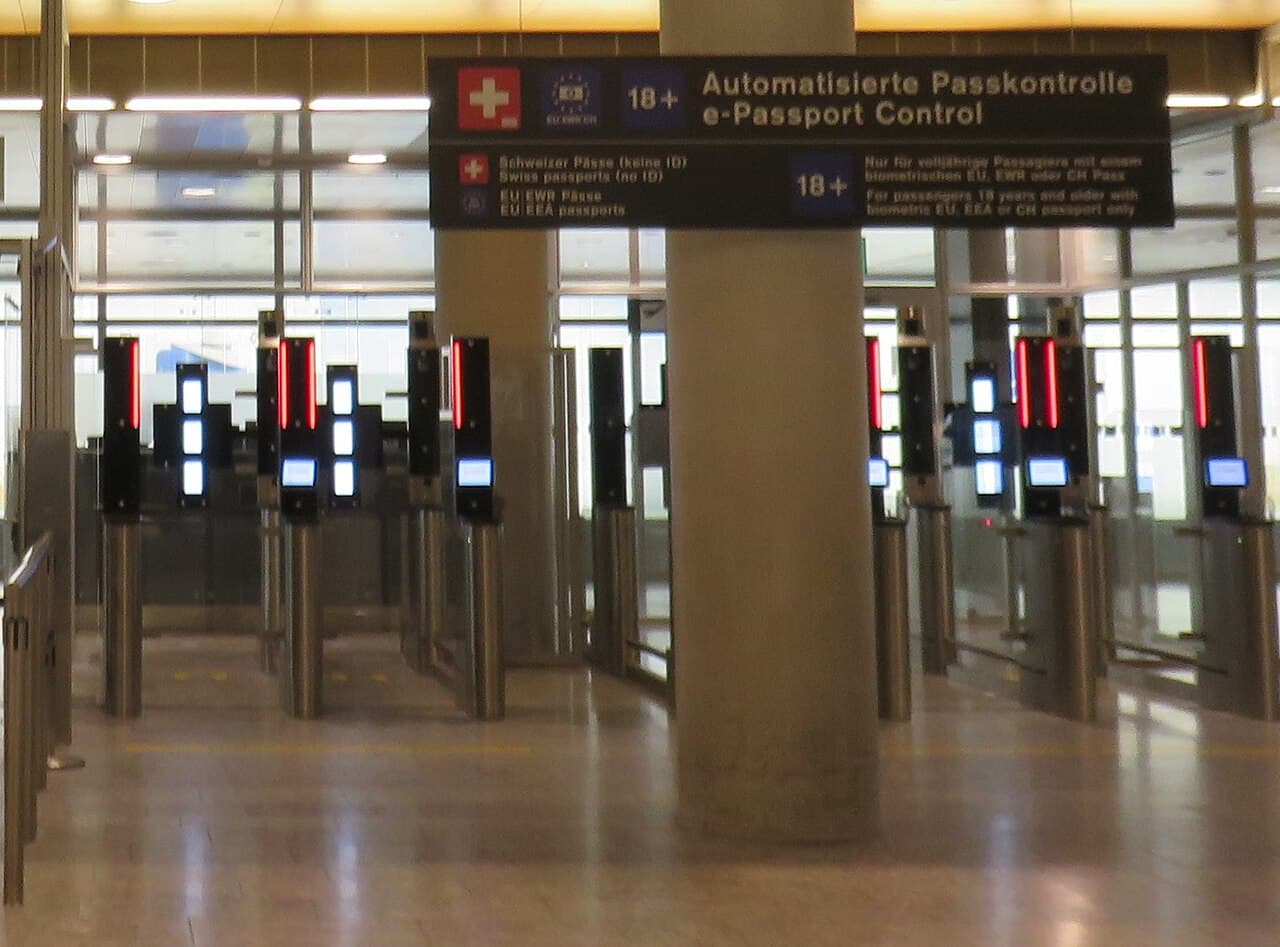
The first registration takes a little longer — at the border post or a self-service kiosk they take your fingerprints and a facial photo. This data is kept for 3 years, so later entries will be faster — often just a face scan is enough.
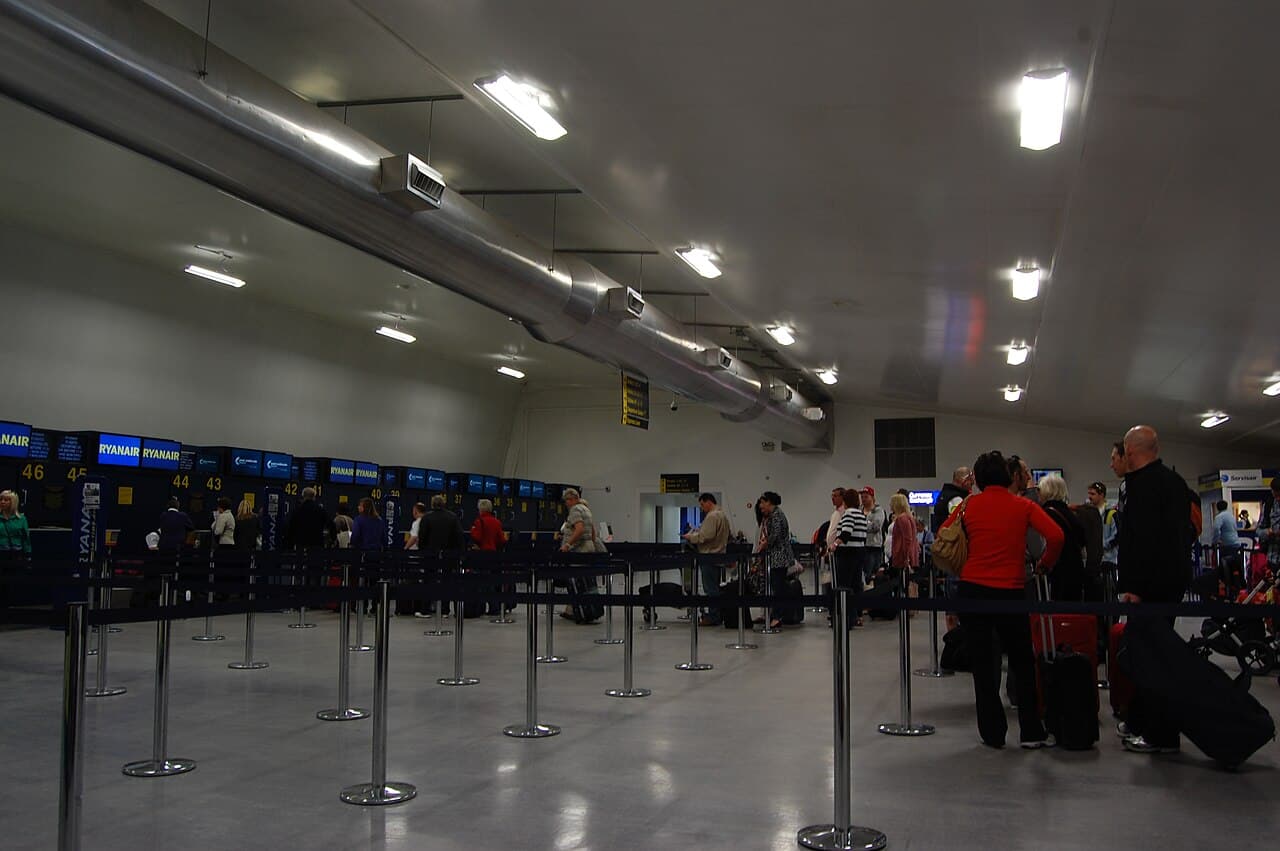
In the first months, as the system beds in, queues at large airports may grow. Leave extra time for passport control, especially in peak season.
EES automatically counts your 90/180 days — you no longer have to count by hand, though the rule itself stays the same. Refresh the Schengen 90/180 rule.
🔀 EES vs ETIAS — don't mix them up
These are two different things. EES is a border-registration system you go through at the border itself, and it's free. ETIAS is a prior travel authorization you obtain online before your flight, with a small fee. ETIAS is being introduced later, after EES is fully live.
- EES — biometric registration at the border, free, automatic
- ETIAS — an online authorization before the flight, paid (~€7), valid for 3 years
For ETIAS details and when you'll need it, see the ETIAS 2026 guide.
🧳 How to prepare — practical steps
EES doesn't complicate trip planning — you just need a little more time at the border the first time. The rest of the process is the same.
- Keep your passport valid for at least 3 months beyond the end of your trip
- Leave more time for passport control, especially on your first entry
- EES doesn't replace a visa — if you need a Schengen visa, see the Schengen visa guide
- Keep track of your entry and exit dates so you don't exceed 90 days
In short, EES changes one thing for the traveler — your fingerprints and photo are taken at the border. You still find your ticket the same way, with Travel365 flight search, and compare dates on the price calendar.
Tags