Train or plane — this is one of the big questions when traveling in Europe. Over short distances a high-speed train often beats flying; over long ones, the opposite. Price, door-to-door time, comfort and environmental impact all matter. This guide helps you choose correctly between train and plane and save on both.
⏱️ Time: door to door
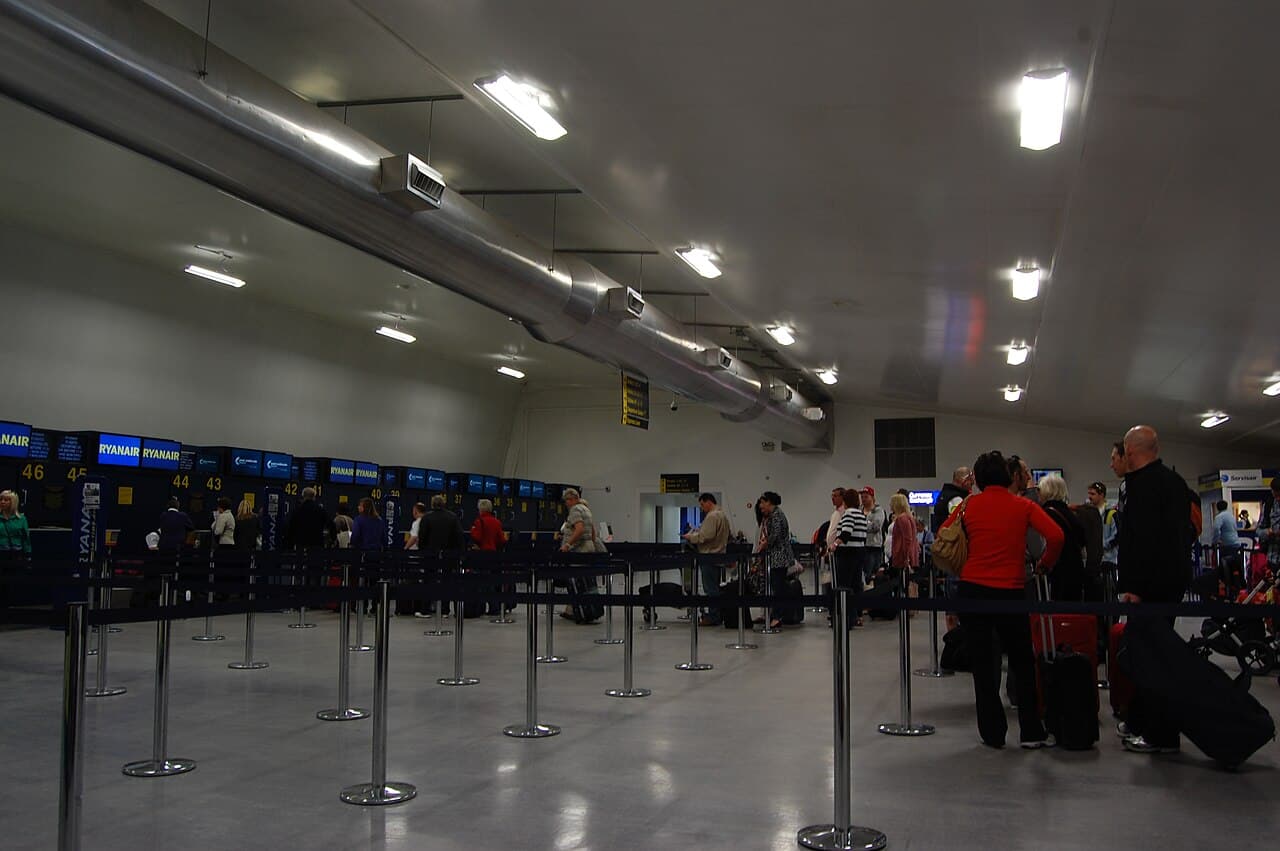
With a flight, the 2 hours printed on the ticket is really much more: getting to the airport, check-in, security, boarding and waiting for your bag easily add 3-4 hours. A train runs from city center to city center with no security check — arriving at the station 15-20 minutes early is enough.
So on a "door to door" basis, a 3-4 hour high-speed train often takes the same or less time than flying the same distance once you count airport procedures. For ways to save time at the airport see the airport security tips and the online check-in guide.
💰 Price — which is cheaper
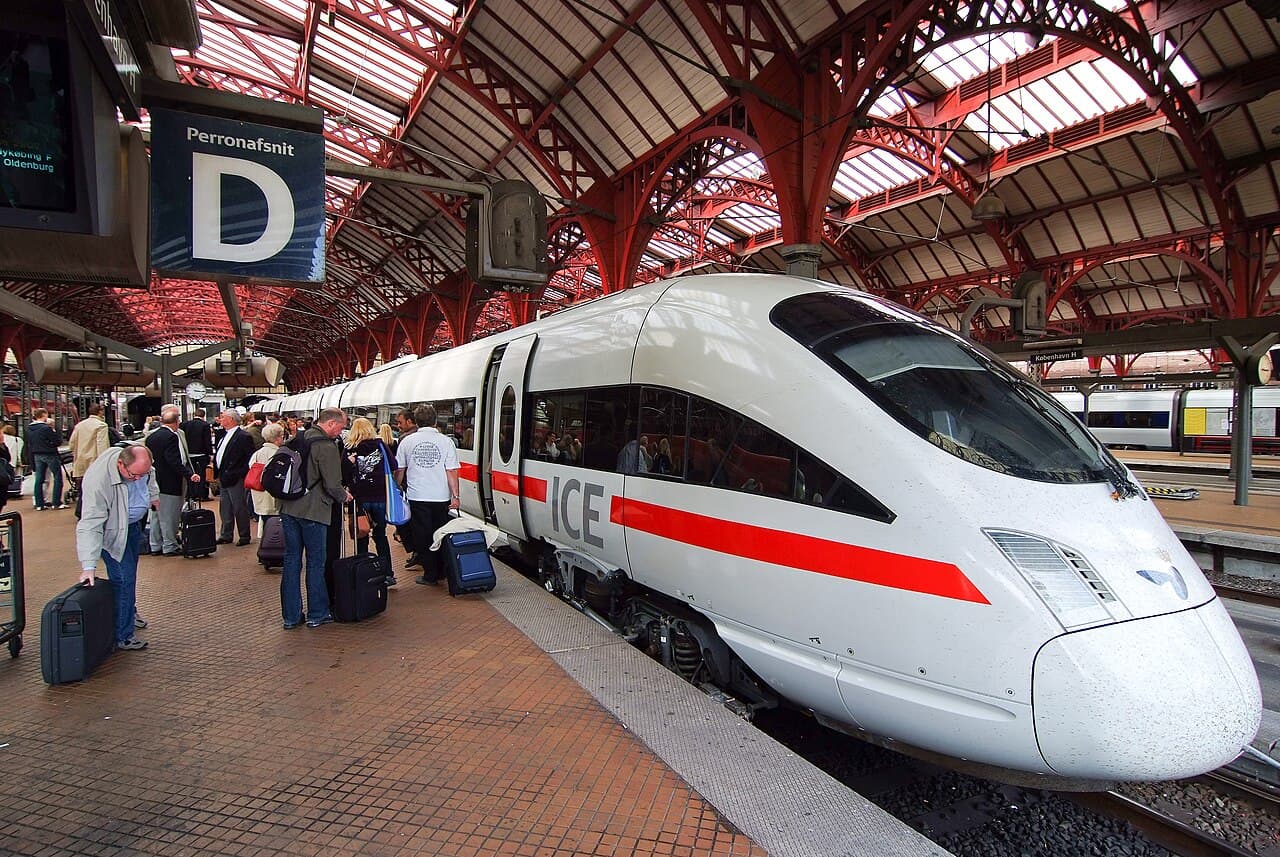
Price depends on when you book. A European high-speed train (TGV, ICE, Frecciarossa) ticket is cheap in advance, but at the last minute often costs more than a plane. Low-cost airlines (Wizz Air, Ryanair) sometimes undercut the train on a short European route, if you don't need luggage.
When comparing the final price, factor in the extras too: for flying — baggage and the airport transfer; for the train — mostly just the ticket. To travel across many cities in Europe a rail pass is often better — see the Europe rail pass guide.
A European high-speed train ticket is cheapest 2-3 months ahead — just like an airfare. To compare flight prices use the Travel365 price calendar.
🚄 When the train is better
- Short distance: up to 500-800 km (e.g. Paris-London, Milan-Rome) the train is faster and more convenient
- Center to center: if you need to be in both city centers, the station beats the airport
- Comfort: on a train you can stretch your legs, usually get free luggage and a view out the window
- Night trains: they replace a hotel and transport at once — see the Europe night trains guide
✈️ When the plane is better
- Long distance: 1000+ km (e.g. Tbilisi-Barcelona) flying is the only sensible option — see Tbilisi → Barcelona
- Islands and overseas destinations: there's no alternative to flying
- A low-cost sale: when the ticket is very cheap and you don't need luggage
- Time savings on a long route: an 8-hour train can't compete with a 2-hour flight
🌍 Practical tips for Europe
- Book ahead: an early booking cuts the price on both — see when to buy tickets
- Compare door-to-door time, not just the flight or ride duration
- In Schengen the train crosses borders without checks, though the 90/180-day rule still applies
- The bus is an even more budget-friendly alternative — see the intercity buses in Europe guide
- For getting around a city see the Europe public transport guide
Many travelers combine both on one trip: they fly to a far city, then tour nearby cities by train — saving both time and money.
Tags