Europe's night trains have seen a genuine revival in recent years and have become the budget traveler's best ally. The idea is simple: you board a train in one city in the evening, sleep, and wake up in another city in the morning — saving a night's hotel and a day of travel time at once. This guide tells you which night trains run in Europe, what they cost and how to book them.
🌟 Why a night train
- Saves a night's hotel cost — sleep and travel in one ticket
- City center to city center — no need to arrive early at the airport or handle an airport-to-center transfer
- Far less environmental impact than flying
- No strict baggage limits — bring your suitcase with no extra fee
- Saves a day — the journey 'fits' into your sleep and the day stays free
🚆 Main operators and routes
- Nightjet (Austria's ÖBB) — the core of the network: Vienna, Munich, Zurich, Rome, Hamburg, Amsterdam, Paris
- European Sleeper — the Brussels–Amsterdam–Berlin–Prague route
- Other European operators: Sweden's SJ, France's Intercités de Nuit, Spanish/Italian night lines
- Vienna, Munich and Berlin work well as central hubs — the night network fans out from there in many directions
- From Georgia: first fly to a European hub (e.g. Vienna), then take a night train onward
🛏️ Cabin types — from seat to sleeper
- Seat: the cheapest, an ordinary reclining seat — fine for a short leg
- Couchette: a shared compartment with 4-6 fold-down bunks — the golden middle between budget and comfort
- Sleeper: a private compartment with real beds, often with a washbasin — the most comfortable
- Mini cabin: a new, individual capsule-style spot in Nightjet's newest cars
Traveling solo and want comfort? A 'single' spot in a sleeper wins; if budget is the priority, the lower bunk in a couchette is the handiest (your bag stays close and getting up is easy).
💰 Prices and booking
Price depends on the cabin type and booking early. A seat may cost $15-25, a couchette $35-60, a private sleeper $75-130 one way. The earlier you book, the cheaper — popular routes fill up fast.
Booking is easiest on the operator's site (e.g. nightjet.com, europeansleeper.eu). If you're planning several countries, compare single tickets against an Interrail/Eurail pass — sometimes the pass is cheaper, though night trains often need an extra seat reservation.
🎒 Practical tips
- Pack a small overnight bag (toothbrush, charger, water) within reach and the big suitcase on the rack
- Keep your passport and ticket at hand — there may be a check overnight
- Many cars have a socket and Wi-Fi, but it's weak — get an eSIM in advance for internet
- Earplugs and an eye mask are essential — the long-flight survival tips work here too
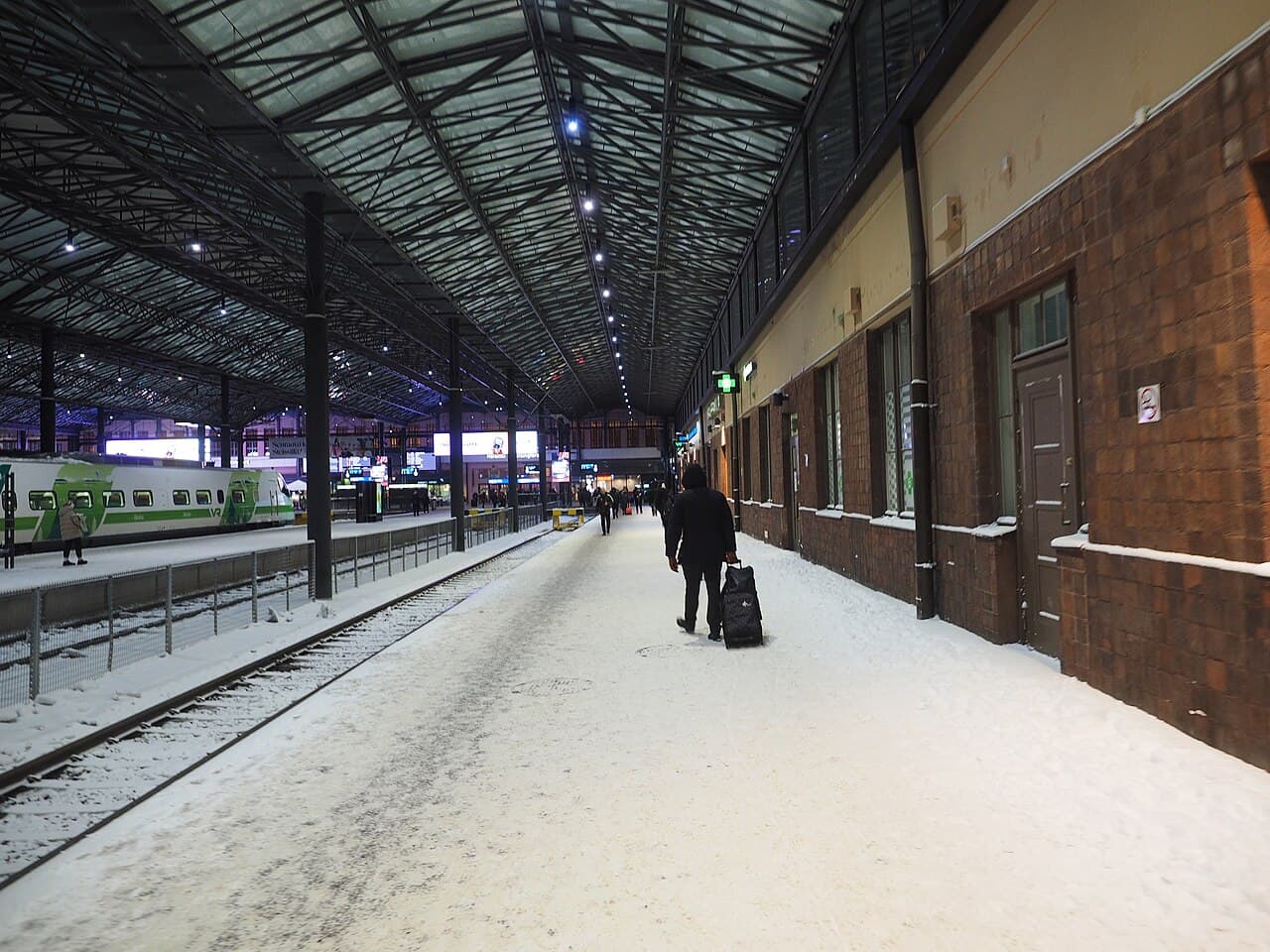
- Navigating the station can be tricky — the Europe train station navigation guide helps
If you'd rather travel by day, Europe is covered by fast trains too — see the Europe high-speed train guide and the most beautiful scenic rail routes.
✅ Who it's for
A night train is ideal if you have flexible time, enjoy traveling overland and want to save a night's hotel. It fits a European route especially well, where two cities are ~600-1000 km apart. From Georgia, find a cheap ticket to a European hub on Travel365's price calendar, and from there the night train keeps your budget even tighter.
Tags