Pharmacies in Europe are an important practical matter for a traveller — a fever, an allergy or a headache can catch you anywhere, and the name of a medicine and the way you buy it differ from country to country. This guide teaches you how to spot a pharmacy, what to buy without a prescription and how to handle an urgent need in an unfamiliar city.
🟢 How to spot a pharmacy
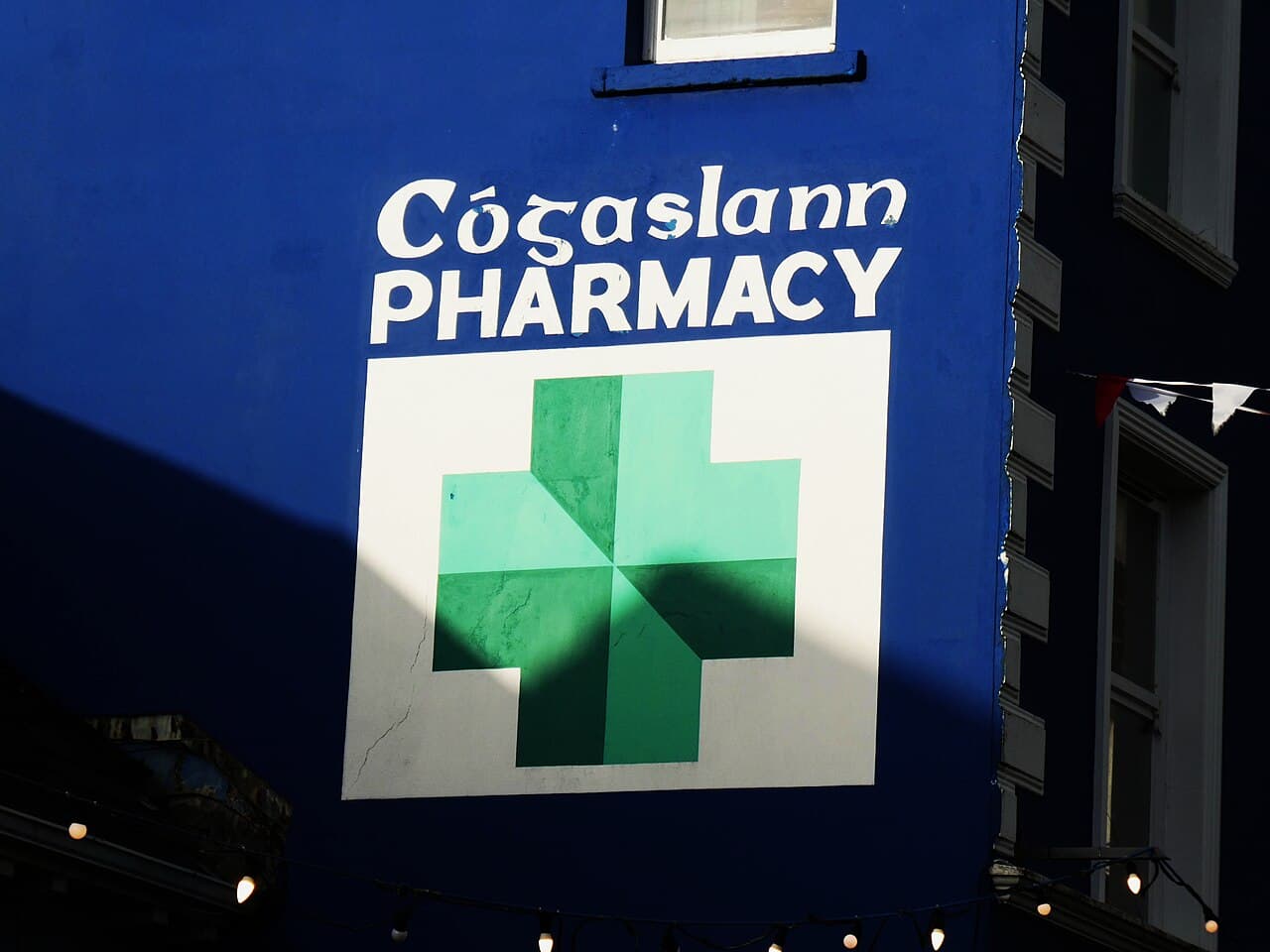
In most of Europe a pharmacy is marked by a green cross — often a flashing electronic sign on the building's front. The name changes with the language, but the sign is the same.
- Spanish — farmacia, Italian — farmacia, French — pharmacie
- German — Apotheke (often with a red 'A' sign)
- English — pharmacy, or chemist in Britain
- A supermarket or drogerie stocks only cosmetics and hygiene — real medicine is only at the pharmacy
💊 Prescription vs over-the-counter
In Europe many medicines that are sold freely in Georgia are dispensed only on a doctor's prescription — some antibiotics, for example. On the other hand, simple painkillers, fever, allergy and stomach remedies are usually available without a prescription.
- Carry the original packaging of your personal medicine or a doctor's note — see medications abroad
- Know the international name of the active ingredient (e.g. paracetamol, ibuprofen), not just the brand
- A pharmacist in Europe is qualified and can suggest a remedy for mild symptoms
- Take a supply of a child's or chronic medicine in advance — see the travel first-aid kit list
🕐 Opening hours and the night pharmacy
Pharmacies usually work from morning to evening, and in southern Europe a midday break (siesta) is common too. On Sundays and holidays many pharmacies are closed — so buy the medicine you need in advance.
Every town has a duty (night) pharmacy on rota — the address is usually posted on any pharmacy's door or found online. When planning, keep in mind Europe's Sunday closing rules and public holidays.
💰 Prices and payment
- The price of an over-the-counter product varies by country — a simple painkiller is $3-9
- Cards are accepted almost everywhere; still keep a little cash — see the currency exchange guide
- Travel insurance often covers the cost of medicine prescribed by a doctor — keep the receipt
- Be sure to have travel insurance — in a serious case it's the main thing
🧭 Practical tips
Finding a pharmacy in an unfamiliar city is easiest with a map app — type farmacia or pharmacy and the nearest one appears. For fast internet, get an eSIM on arrival so you can find the duty pharmacy the moment you need it.
A translation app helps you explain a symptom to a pharmacist who doesn't speak English. And the active-ingredient name (paracetamol, ibuprofen) sounds almost the same in nearly every language.
Tags