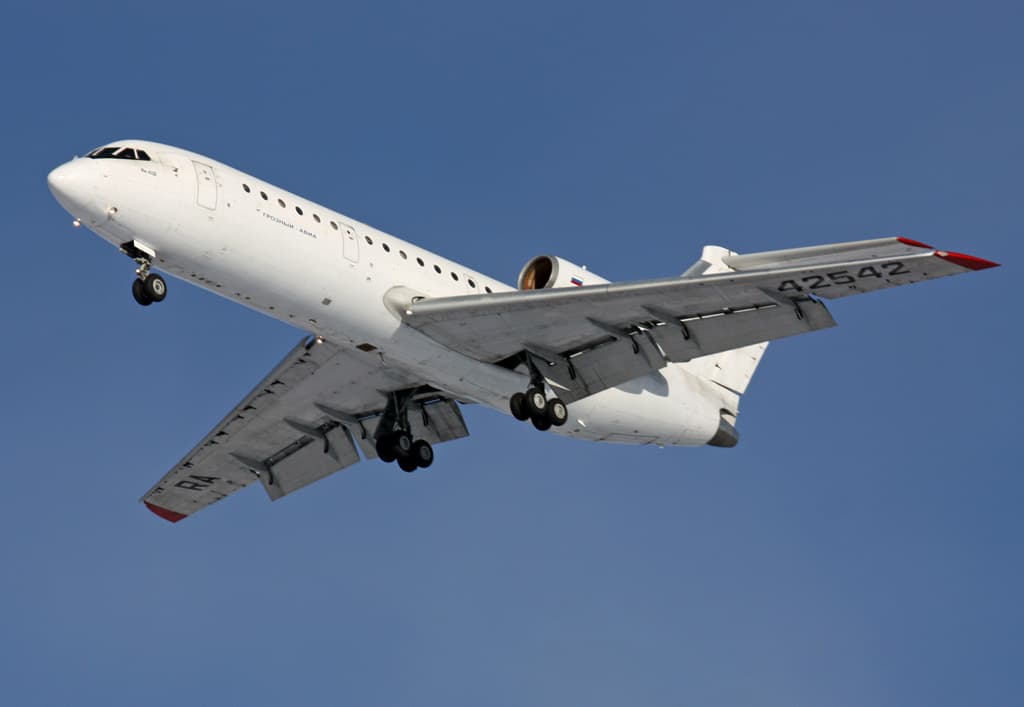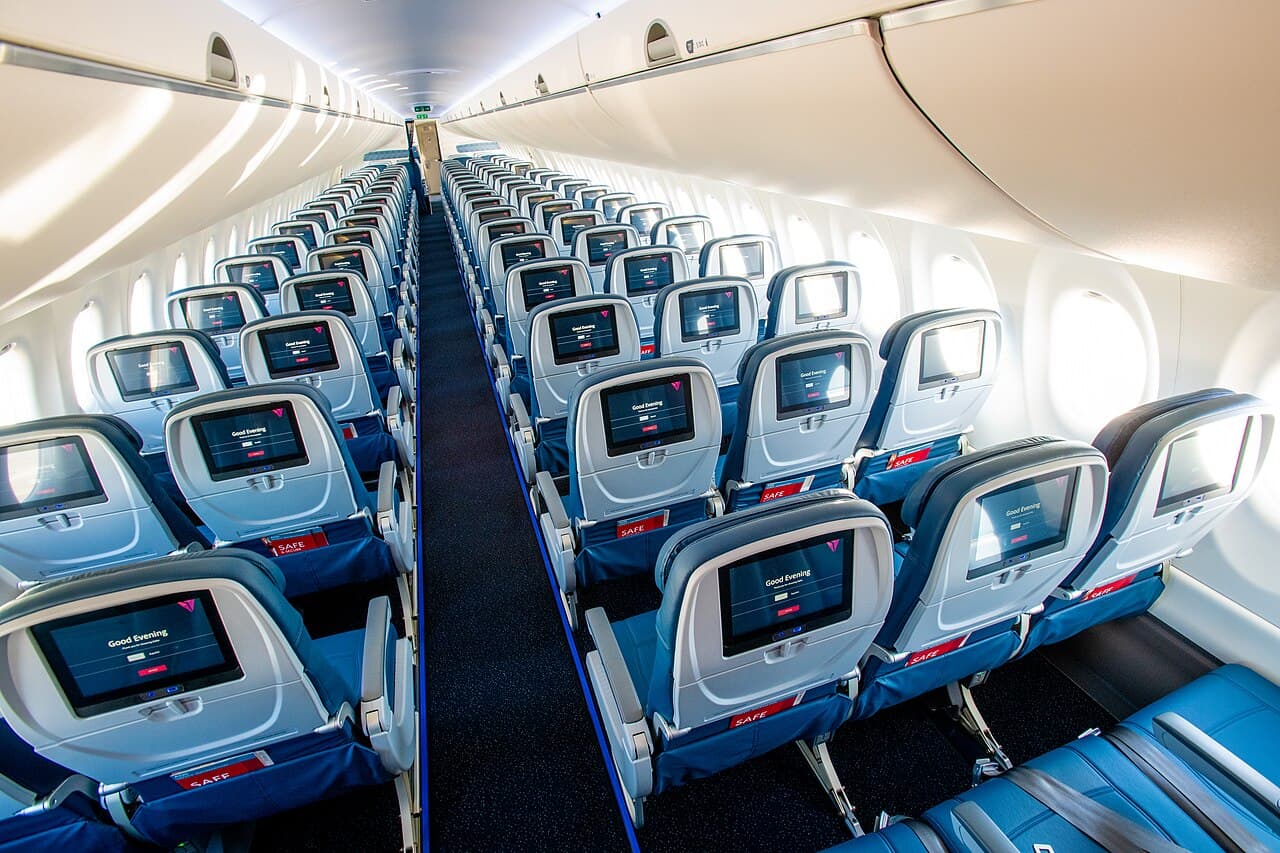
An in-flight medical emergency isn't as rare as you'd think — on average, one happens roughly every 600 flights. A seizure, an allergic reaction, a heart scare or simple nausea — whatever it is, cabin crews are trained to handle it. This guide explains what actually happens on board, who steps in to help, and what you can prepare in advance to stay calm if it happens to you.
🚨 The first few minutes — what the crew does
- A flight attendant does an initial assessment — breathing, pulse, alertness
- Every aircraft carries a medical kit, and many carry an automated defibrillator (AED)
- The captain contacts a ground-based medical service (like MedLink) for a remote doctor's consultation
- If needed, an announcement is made asking whether a doctor or nurse is on board
👨⚕️ If a doctor happens to be on board
Most airlines make a public announcement asking if any medical professional is aboard. In many jurisdictions — including the US 'Good Samaritan' laws — a volunteering doctor is legally protected as long as they act in good faith and within their training.
If no doctor is on board, the crew isn't left alone either — nearly every major airline is connected in real time to a ground medical centre, where physicians guide the crew by phone through the situation.
🛬 When does a flight actually divert
An emergency diversion is rare and reserved for serious situations — a suspected heart attack, loss of consciousness, a severe allergic reaction. The captain weighs the passenger's condition against the ground doctor's advice before deciding whether landing at the nearest airport is worth it.
Milder issues (nausea, dizziness, a panic attack) are usually managed on board, while paramedics meet the aircraft at the gate on arrival if needed.
If the airline does divert, you may miss a planned connection — see the missed flight guide for how to sort out a new ticket.
💊 What to pack — a minimal health kit
- Personal medication in its original packaging, with enough for the whole trip — see the guide to bringing medication abroad
- If you have allergies, keep an EpiPen or antihistamine in your carry-on, never in checked luggage
- If you have a chronic condition, carry a doctor's note in English
- A small first-aid kit — see the travel first-aid kit guide
🛡️ Why travel insurance matters
First aid on board is free, but if you need an emergency diversion or hospital care abroad, costs escalate fast — sometimes into the tens of thousands of dollars. That's exactly why travel insurance isn't a luxury, especially on long-haul routes.
When buying insurance, check whether the policy covers medical evacuation — it's the single most expensive item if you ever need it.
🧭 Practical advice
- Tell the crew about a chronic condition at check-in if you need special care — see the airport special assistance guide
- Drink water regularly — dehydration is behind a lot of in-flight nausea
- On long flights, get up and walk every couple of hours to lower the risk of blood clots
- Budget for insurance when you book — the Travel365 flight search helps you find the best fare
Tags