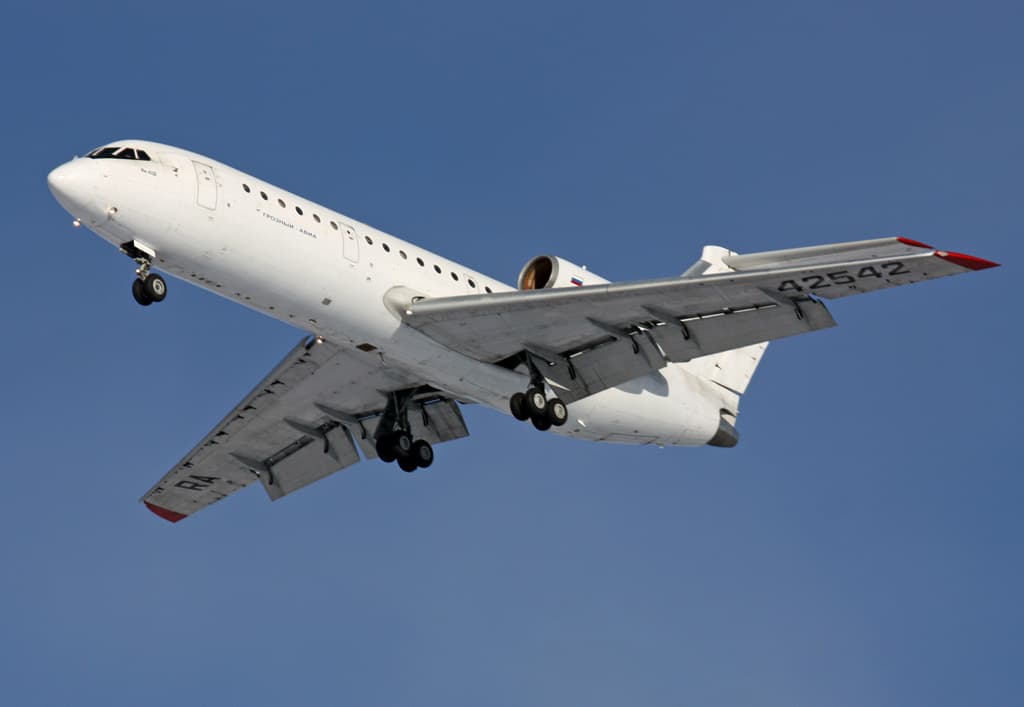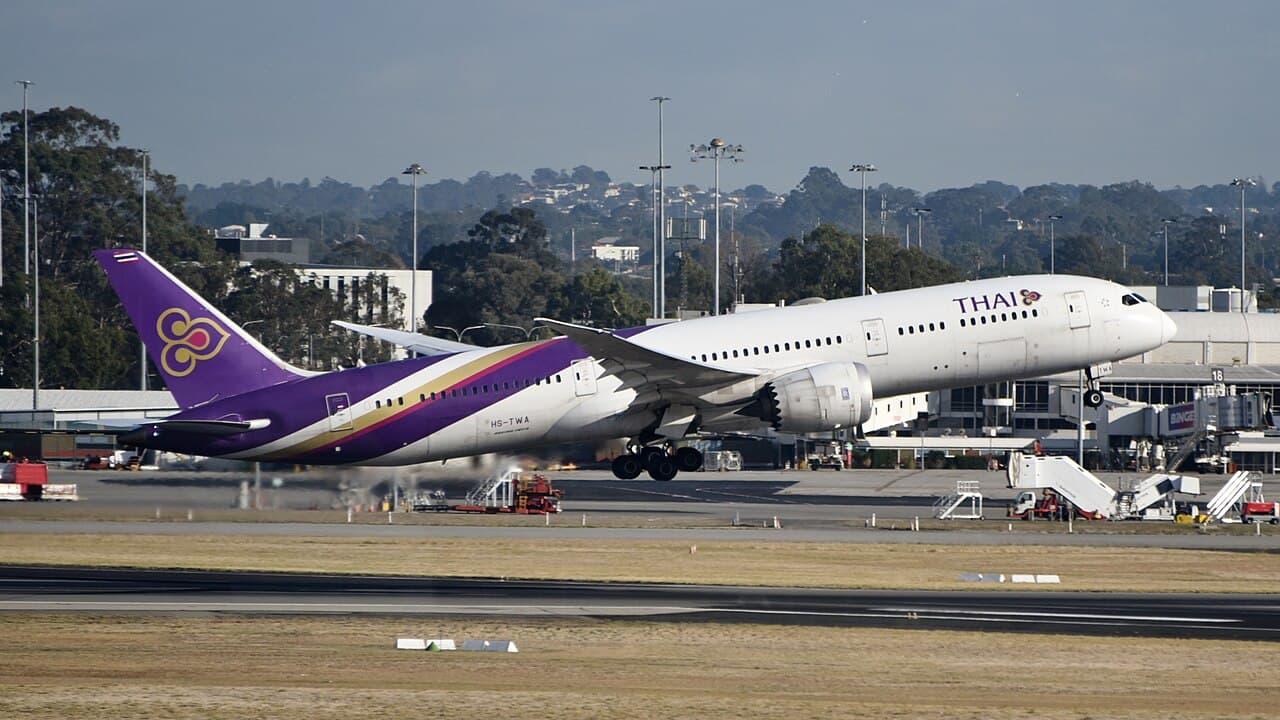
Takeoff and landing are the two busiest phases of any flight — these are the minutes when you feel the body lift, the engine note change and pressure build in your ears. If it's your first flight or you're simply curious about what's happening, this guide walks you through both phases step by step and helps you ride them out calmly.
🛫 Takeoff — step by step
- Pushback: a tug pushes the aircraft back from the gate and the engines start
- Taxi: the plane rolls slowly to the runway — sometimes this takes 10-15 minutes
- Takeoff roll: engines spool to full power and speed builds fast
- Rotation: the nose lifts and the aircraft leaves the ground
- Climb: in ~10-15 minutes it reaches cruising altitude (10-12 km) — that's when you feel ear pressure most
During takeoff your seat back and tray must be upright and window shades open. It's a safety measure, not a formality.
🛬 Landing — from approach to touchdown
- Descent: the aircraft starts coming down about 30 minutes before landing
- Approach: the landing gear drops and the wing shape changes — the noise is normal
- Flare: just before touchdown the nose lifts slightly and speed bleeds off
- Touchdown: the wheels can meet the runway firmly — that's for safety on a wet surface
- Braking: spoilers and reverse thrust slow the plane — loud and abrupt, but normal
👂 Why your ears hurt and what to do
Ear pressure during takeoff and landing comes from the rapid change in air pressure. Swallowing, yawning or chewing gum helps the Eustachian tube open and equalize. If it bothers you often, see Ear Pain on a Plane: Why It Happens and 7 Ways to Avoid It.
Give a child water or a pacifier during takeoff and landing — swallowing eases ear pain.
😰 If you're nervous — what the sounds mean
After takeoff you often hear a sharp "thunk" — that's the gear retracting, not a fault. A whir from the wing is the flaps moving. These sounds are a normal part of flying. If flying makes you anxious, see Fear of flying: 10 tips for a calm flight and Turbulence Explained: Why It Happens and Is It Dangerous — both help you read your body's signals correctly.
💡 Tips for a calm takeoff and landing
- Sit back and breathe slowly — tension amplifies the sensations
- A window seat gives you a view and helps you orient
- Music or a podcast on headphones masks the noise
- Keep water handy — dehydration makes symptoms worse
- Have everything ready before takeoff — see Airplane Boarding Process: How It Works Step by Step
Takeoff and landing may be the most noticeable phases, but statistically they're among the safest parts of a flight — they're exactly what pilots train for most. To plan your next flight and compare tickets, use the Travel365 price calendar and flight search.
Tags