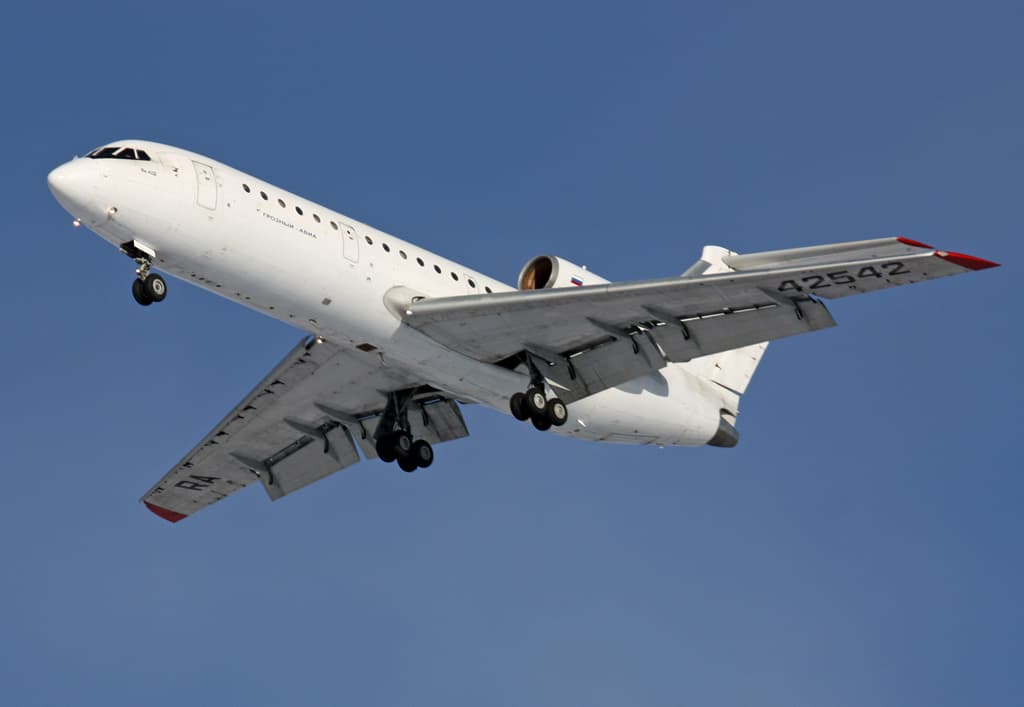
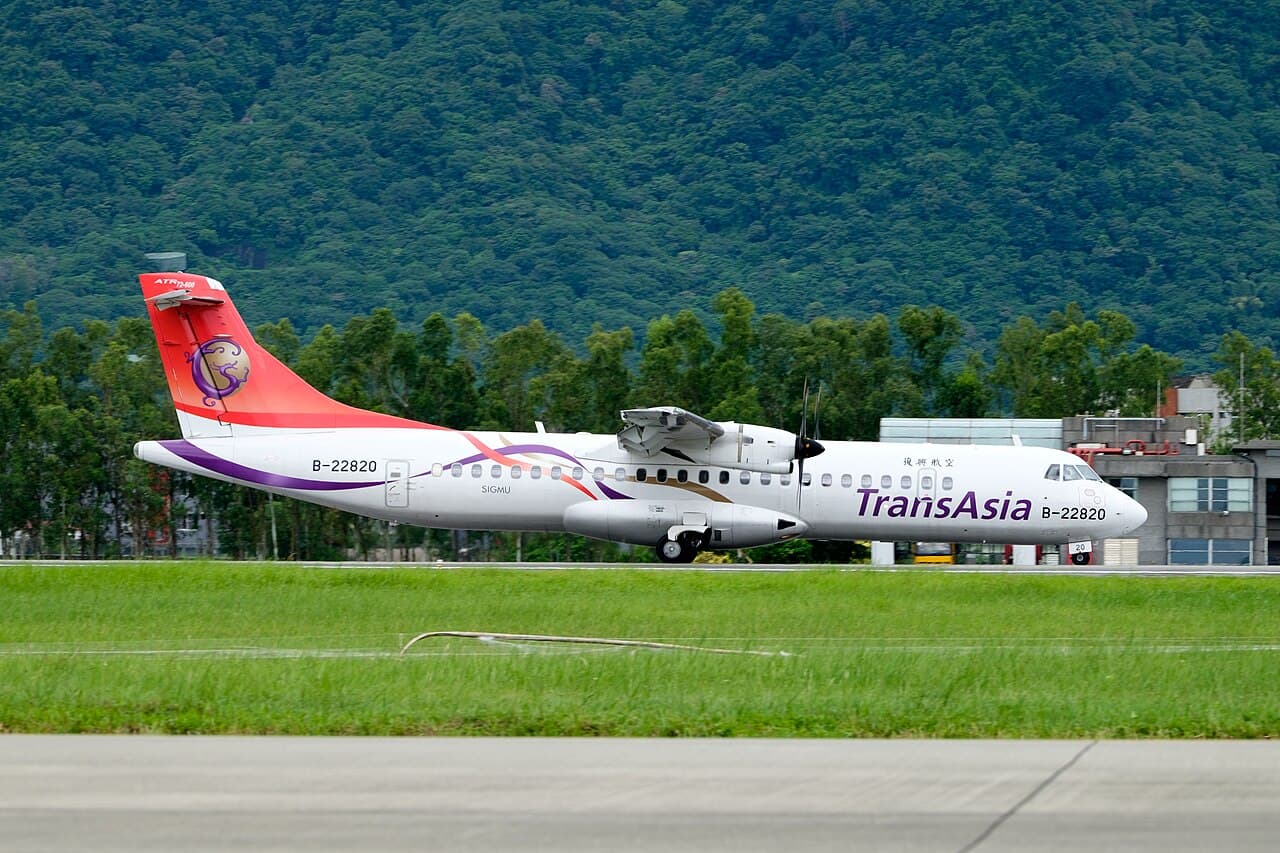
Pushback is the moment the aircraft moves backwards away from the gate and the engines start. A passenger jet can't reverse under its own power, so a special tug does the job. To learn more about the crews around the plane, see Airport Ground Handling: What Happens Around Your Plane.
🚜 What pushback is and who does it
A tow tractor connects to the aircraft at the gate and slowly pulls it back. The pilots talk to air traffic control by radio, while a ground technician speaks to the cockpit through a headset. The whole operation usually takes a few minutes.
🔊 Sounds you will hear before the flight
During pushback you may feel a gentle nudge, then hear the sound change as the engines spool up and notice the cabin lights flicker briefly. This is normal: engines start one after another, so the first sound usually does not come at once.
The cabin lights may dim or flicker before departure — that is a power-source switch, not a fault.
📋 What you should do meanwhile
- Make sure your seatbelt is fastened and the seat back is upright
- Switch your phone to airplane mode if you have not already
- Keep your hand luggage in the overhead bin or under the seat in front
- Watch the safety demonstration, especially the exit directions
⏱️ Why the plane waits after pushback
After pushback the aircraft often stops for a while and waits for its turn. This is common at busy airports where one runway serves many flights at once. For long waits, see Taxiing and the Runway Queue: Why Planes Wait Before Takeoff.
🛡️ Safety and realistic expectations
Pushback is a strictly regulated procedure that crews perform every day. If a small jolt or noise surprises you, remember it is a routine step. For what comes next, see Takeoff and Landing Explained: What Happens and Why.
If you reach the gate late, you may miss boarding, so arrive well before the boarding gate closes.
Check flights from Tbilisi to Europe and Asia in the Travel365 price calendar.
Tags