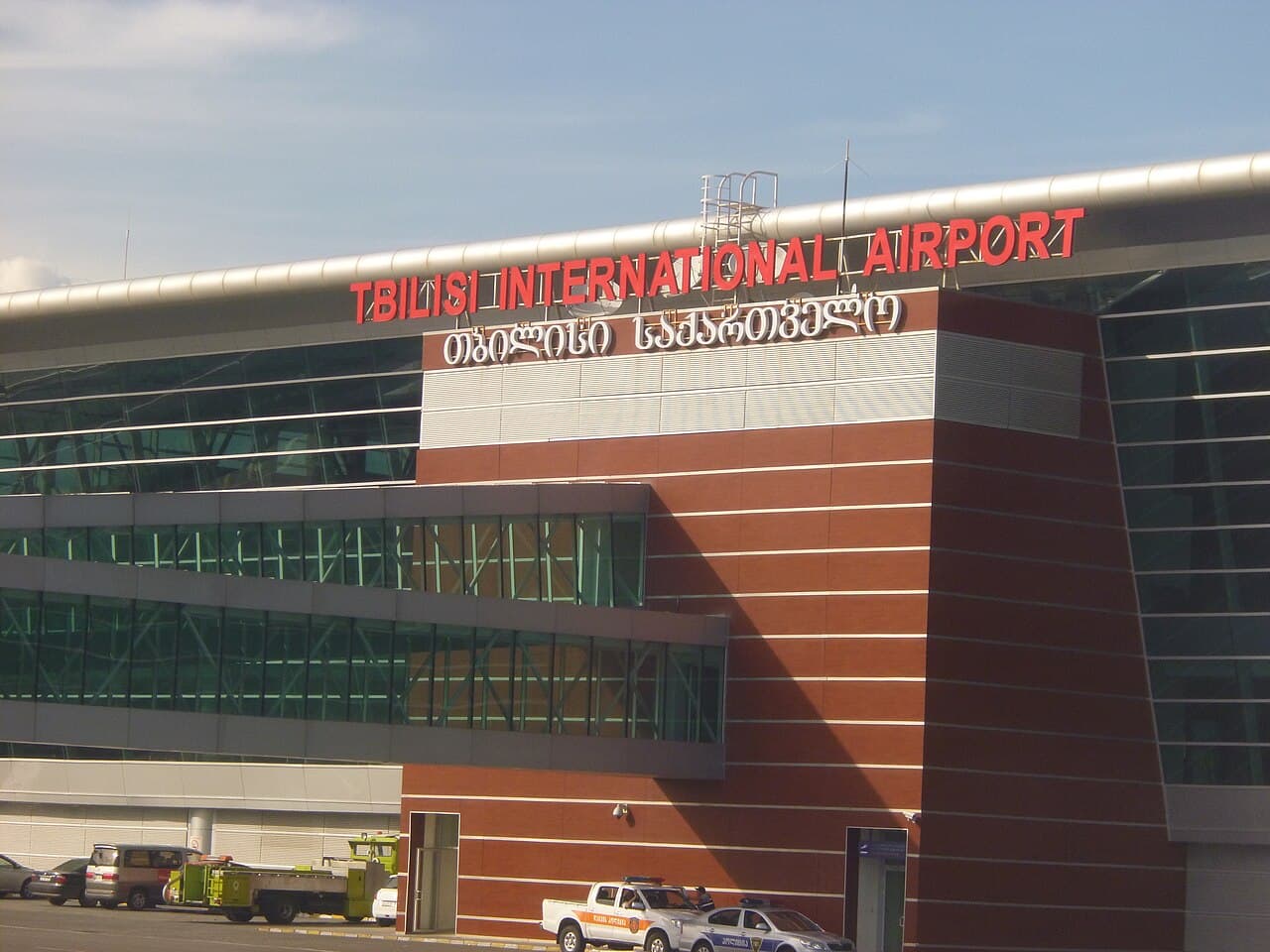
Fog delays are one of the most common autumn-and-winter headaches at Georgia's airports. Tbilisi (TBS) and Kutaisi (KUT) both sit in valleys ringed by mountains, where cold morning air often produces thick fog that pushes visibility below the minimum required for landing. This guide covers which months carry the highest risk, what actually happens when a flight is held, and how to protect your plans.
🌫️ Why fog forms over Georgia's airports
Fog forms when the ground cools quickly overnight while the air still holds enough moisture — an effect that's strongest in river valleys and mountain-ringed basins, exactly where Tbilisi and Kutaisi airports sit. As warm air meets a cooling surface, moisture condenses into droplets that can cut visibility to a few hundred meters or less.
📅 The riskiest months and hours
- November through February carry the highest risk
- Fog typically forms in the late night and early morning (05:00-10:00)
- It usually burns off within 2-4 hours after sunrise as the air warms
- Kutaisi (KUT), in the Rioni river valley, is often more exposed than Tbilisi
✈️ What happens when a flight is held
When visibility drops below the landing minimum, air traffic control halts new arrivals and holds aircraft already in the air, or diverts them to the nearest alternate airport — often Istanbul, Batumi or Yerevan. Aircraft still on the ground simply wait for the fog to clear before departing.
- Short delay (1-3 hours) — the most common outcome; the aircraft just waits for clearance
- Diversion — rarer, but happens if the fog doesn't lift during the day
- Cancellation — a last resort, if the airline can't keep the crew and aircraft schedule intact
For a long delay or cancellation, check flight delay compensation and the flight cancellation guide — European routes often qualify for compensation.
🔄 Rebooking — a fast action plan
- Open the airline's app or website immediately — rebooking is often available right inside your booking
- Try calling or online chat before joining the airport queue — it's usually faster
- If a connection is at risk, ask for an alternative routing right away instead of waiting it out
- Check your flight's real status with flight tracking apps before heading out
💡 Practical tips for fog season
- Build in a 2-3 hour buffer for early-morning flights in autumn and winter, especially before a tight connection
- Travel insurance can cover extra costs from a fog delay
- See the Tbilisi Airport guide and Kutaisi Airport guide for more airport details
When searching flights on the price calendar, favor midday departures over early-morning ones — those are the most exposed to fog season delays.
Tags