Withdrawing cash from ATMs in Europe looks simple, but hidden fees will shave several euros off each withdrawal if you don't know the rules. The main trap is DCC — the 'convenient' offer on screen to convert the amount into your home currency. This guide explains how to take out cash in Europe with the smallest possible fee.
⚠️ DCC — the main trap to reject
DCC (Dynamic Currency Conversion) is the moment the ATM asks: 'Would you like to be charged in your home currency?' It sounds convenient, but the exchange rate is set by the ATM operator — almost always against you, with a 3-8% markup.
The rule is simple: always choose the local currency (euro, if you're in the eurozone). Then your own bank does the conversion, at a far better rate. The same rule applies when paying by card at a terminal — see the travel money cards guide.
If the ATM already gave you a rate and it says 'with conversion' or 'guaranteed rate', that's DCC. Look for the button 'Continue without conversion' or 'Debit in EUR' and choose it.
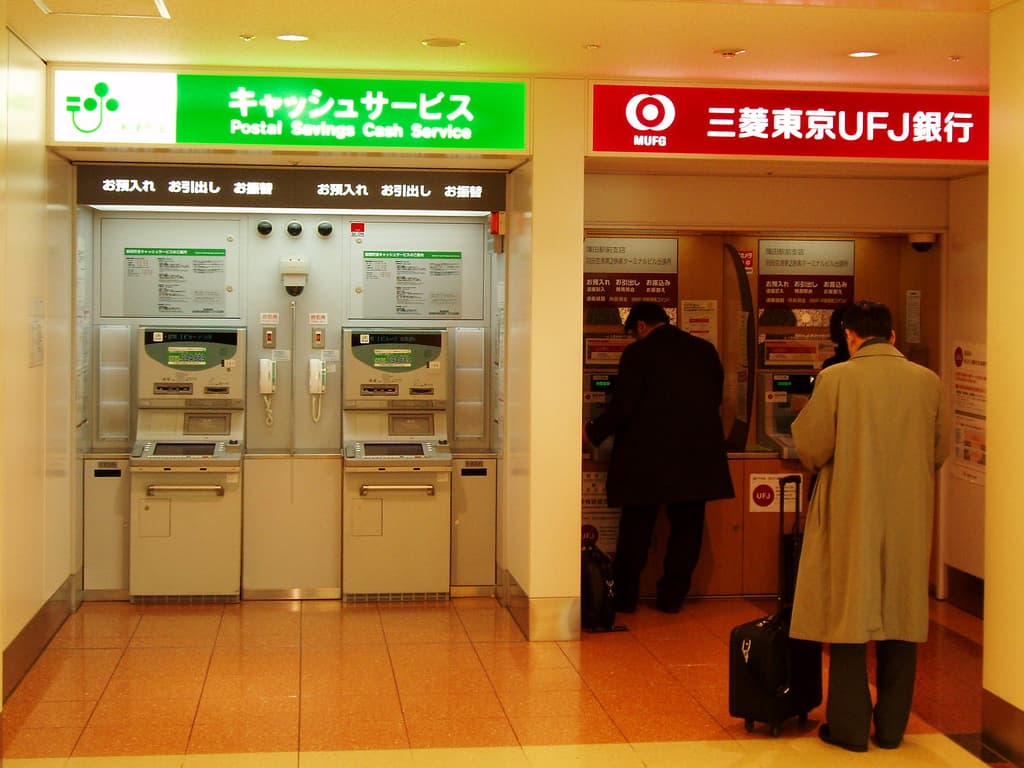
🏦 Which ATM to choose
- Prefer a real bank's ATM (e.g. BNP, ING, Santander) — they often don't charge their own fee
- Avoid independent ATMs (Euronet and the like) — they charge a high fixed fee and a poor rate
- ATMs at airports and in tourist zones usually have the worst terms
- The fee often appears on screen before you confirm — if you don't like it, cancel and find another ATM
💳 Your card and the bank's fee
Remember there are two layers of fees: the ATM operator's and your own bank's. Many banks charge a fixed or percentage fee for foreign withdrawals, so check your card's terms before you travel. For the bigger picture on currencies, see the Europe currency guide.
A practical trick: take out a larger amount at once (instead of several small ones) so you pay the fixed fee only once. But don't carry a lot of cash — leave part of it in the hotel safe.
💶 How much cash you'll need
In big European cities cards are accepted almost everywhere, but cash still comes in handy: small cafés, markets, public toilets, tipping and some taxis. For other ways to get local currency, see the currency exchange guide.
A rough rule: for a 3-4 day trip, $110-165 in cash is enough. Pay for the rest by card — that way you make fewer withdrawals and save on fees.
🛡️ Safety and practical tips
Use an ATM inside or next to a bank branch — street ATMs carry a higher skimming risk. Cover the keypad with your hand when entering your PIN. If your card is lost or the ATM swallows it, block it immediately — see the steps in the lost card abroad guide.
Plan your budget in advance and find a cheap ticket on Travel365's price calendar — money saved is money you'll enjoy more on the trip itself.
Tell your bank you're traveling abroad before you go — otherwise the very first foreign withdrawal may be blocked for security.
Tags