Europe's currencies often confuse travelers — many assume the euro is used everywhere, when the picture is far more varied. Alongside the eurozone sit the pound, the zloty, the lira and a dozen more. This guide tells you what money you'll need where, where to change it, and how not to overpay in fees.
💶 The eurozone — 20 countries, one currency
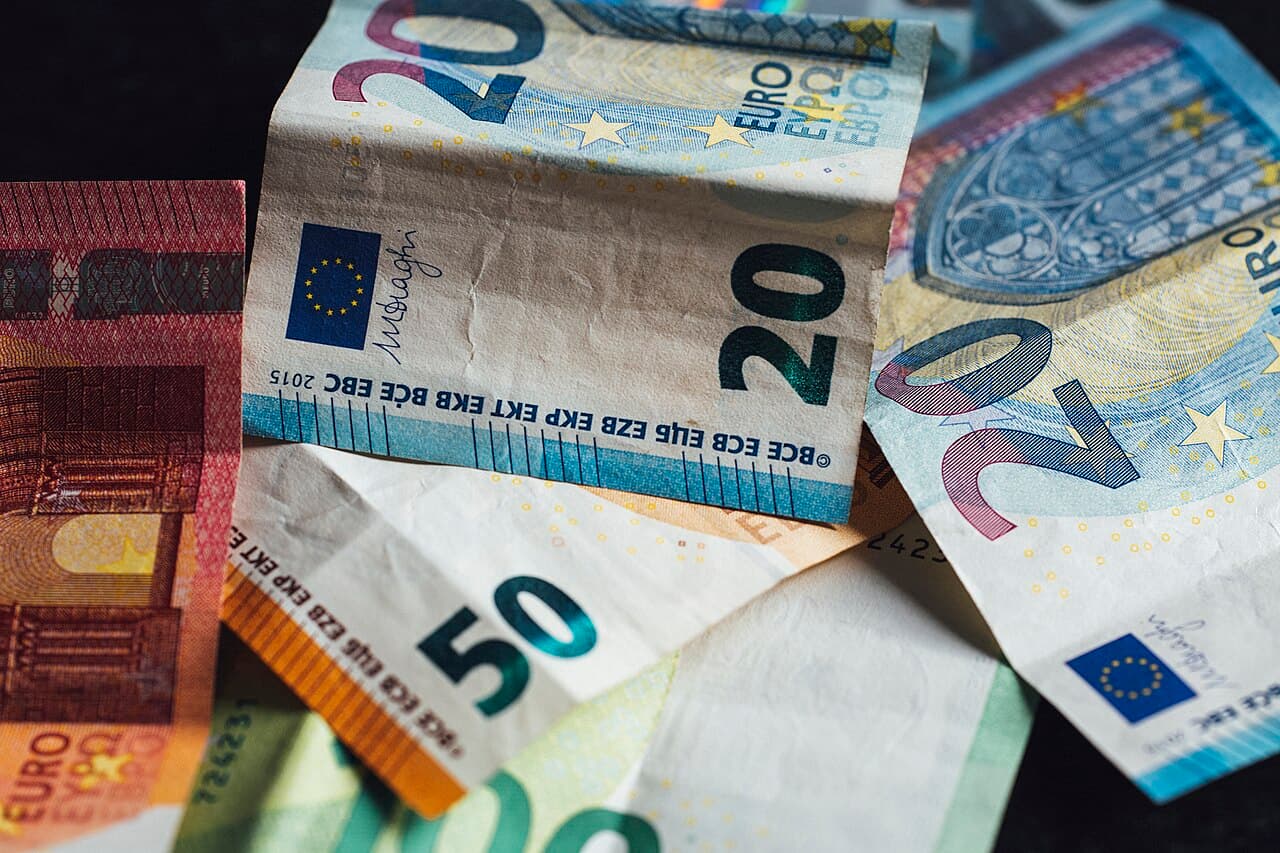
The euro (EUR, €) is the official currency of 20 EU countries. One currency means no need to exchange money between them — a big convenience on a multi-city trip.
- Germany, France, Italy, Spain, Portugal
- Austria, Belgium, the Netherlands, Ireland, Greece
- Slovakia, Slovenia, Croatia (since 2023), Estonia, Latvia, Lithuania
- Finland, Luxembourg, Cyprus, Malta
- Also (by agreement) Andorra, Monaco, San Marino, Vatican City
💷 Non-euro Europe — pound, zloty, lira and more
- United Kingdom — pound sterling (GBP, £)
- Poland — zloty (PLN); Czechia — koruna (CZK); Hungary — forint (HUF)
- Sweden, Denmark, Norway — Swedish/Danish/Norwegian krona
- Switzerland — Swiss franc (CHF); Turkey — Turkish lira (TRY)
- Bulgaria — lev (BGN); Romania — leu (RON); Serbia — dinar (RSD)
🏧 Where to change — ATM vs exchange booth
An ATM almost always gives the best rate — withdrawing with your card from a local bank's machine beats swapping cash at an exchange booth. Avoid the exchange counters at airports and in tourist zones — their rate and fees are the worst you'll find.
Also avoid standalone (blue-and-yellow) Euronet-style ATMs — their fees are high. Pick a machine branded by a major bank. For more on rates and handling cash, see the currency exchange guide.
💳 Card or cash — the DCC trap
Card payments work almost everywhere in Europe, but beware DCC (Dynamic Currency Conversion). A terminal or ATM will ask: pay in your home currency or the local one? — always choose the local currency (euro, pound, etc.). Paying in your home currency applies DCC's poor rate and quietly adds 3-8%.
A smart option is a multi-currency card — more in the travel money cards guide.
The DCC trap works at ATMs too: if the screen offers, in the name of convenience, to convert to your home currency, decline and choose 'without conversion' or the local currency.
✅ Practical tips
- Keep a small cash reserve in the local currency — handy at markets, restrooms and tiny cafes
- Many currencies on one trip? Change the minimum of each; converting leftovers back is another loss
- Check your bank's foreign-withdrawal fee before you fly
- Get online with an eSIM so you can check rates in an app on the spot
- For Schengen visa and budget planning, see the Schengen visa guide
- Find a cheap ticket to Europe on the Travel365 price calendar
Tags