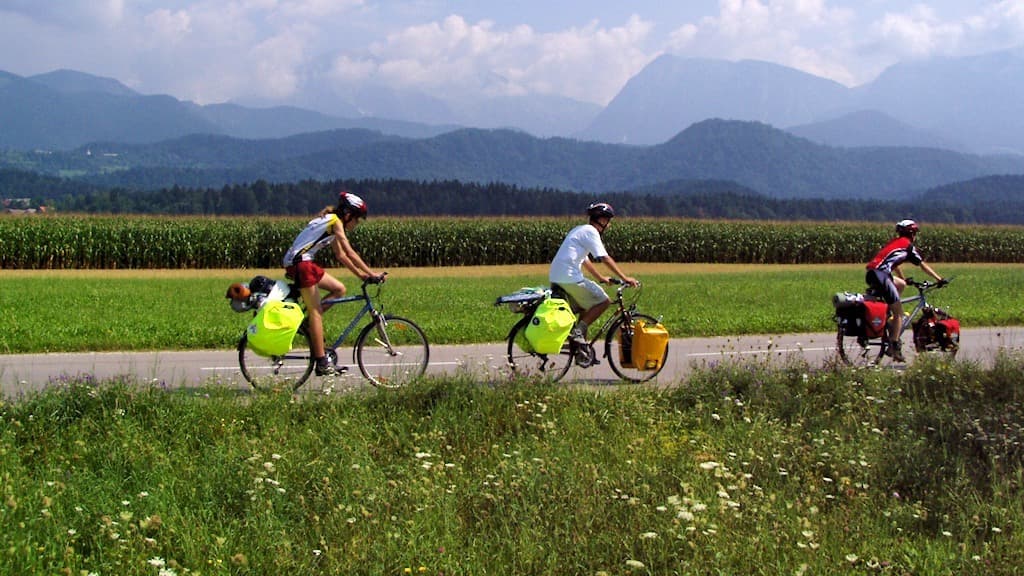
Cycling holidays across Europe are more popular than ever — from the Danube bike path to the flat, well-marked routes of the Netherlands. But before the first pedal stroke, your bicycle needs to survive a flight, and the process for that varies a lot by airline.
📦 Packing — a box or a bag
- A dedicated bike box — the most protective option, though awkward to store at home afterward
- A soft bike bag — lighter and foldable, but offers less protection
- Many bike shops near airports rent out boxes — book ahead of time
Turn the handlebars sideways, remove the pedals and let some air out of the tires — cargo-hold pressure changes won't damage a partially deflated tire.
💶 What it costs by airline
A bicycle is usually classified as special sports equipment and charged separately — Turkish Airlines and Qatar Airways sometimes count it within your regular checked-baggage weight, while low-cost carriers like Wizz Air charge a separate, often steep fee.
- Full-service airlines — usually $25-75 (cheaper if booked in advance)
- Low-cost carriers — $35-130, depending on size and weight limits
- Always add the bicycle to your booking right away — adding it later is often pricier or unavailable
🚆 Once you land — train or road
Many European trains (Germany, Austria, Czechia) have dedicated bike carriages with a cheap separate bike ticket — see the high-speed train guide for details. On France's TGV and Spain's AVE, bikes often need to be boxed or bagged.
🏔️ Popular cycling routes in Europe
- The Danube Cycle Path — Passau to Vienna, easy even for beginners
- The Camino de Santiago's cycling route through Spain
- The flat, well-signed networks of the Netherlands and Belgium
The Alpine hiking trails guide is another useful resource when planning a mixed cycling-and-hiking route. Search flights and add a bicycle to your booking on Travel365's price calendar.
Tags