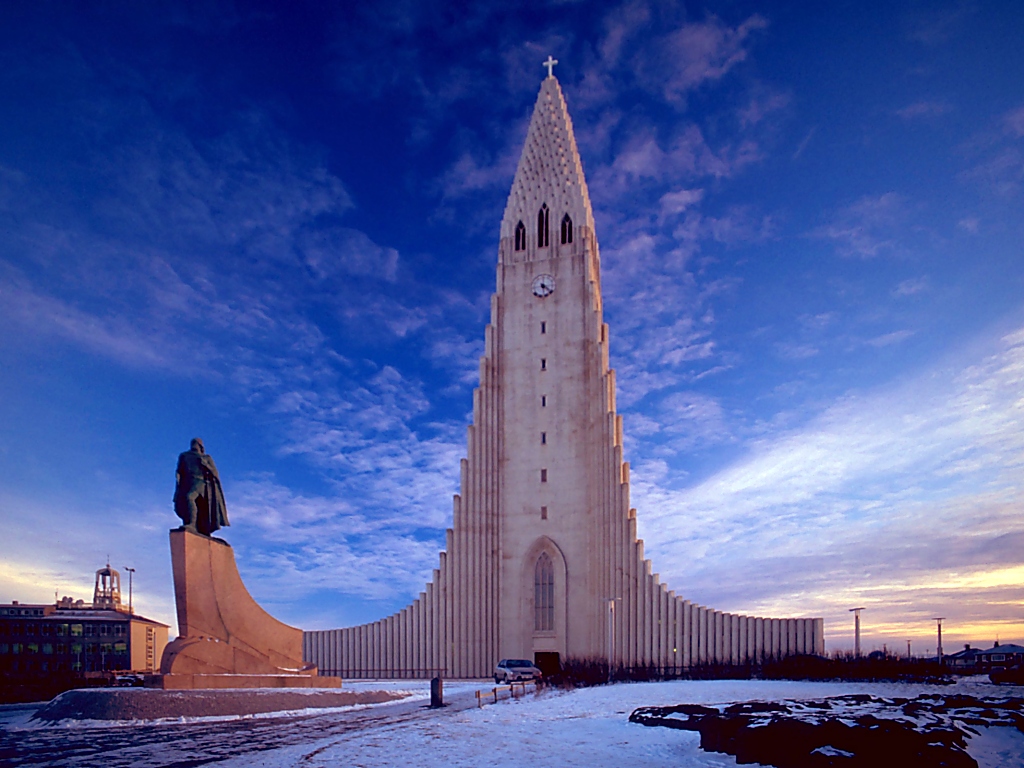
Reykjavik is the capital of Iceland and one of the northernmost capitals in the world. Colourful-roofed houses, the soaring Hallgrímskirkja church, geothermal pools and stunning nature right at the city's edge make it a one-of-a-kind destination. The famous 'Golden Circle' route starts here too. Let's look at how to reach Reykjavik from Tbilisi and what to see there.
✈️ Flights from Tbilisi
- Reykjavik is served by Keflavík International Airport (KEF), about 50 km from the centre
- There's no direct flight from Tbilisi — a convenient connection runs via Amsterdam, Copenhagen or Oslo
- Flight time including the layover is around 9-14 hours
- Ticket price: $520-980 round trip, depending on season and connection
- The Travel365 price calendar — find the cheapest dates
🛂 Visa and entry
Iceland is in the Schengen zone (though not an EU member), so Georgian citizens need a type C tourist visa to visit Reykjavik. Submit your application at least 2 months before the flight — details are in the Schengen visa guide.
Keep in mind the Schengen 90/180-day rule and the upcoming ETIAS authorisation, an ESTA-style online permit for visa-free travellers once it launches.
Iceland's currency is the Icelandic króna (ISK), not the euro. Cards work virtually everywhere — Iceland is one of the most cashless countries in the world — though for a small reserve see the currency exchange guide.
🏛️ Top attractions
- Hallgrímskirkja — the city's symbol, a 74 m church with a panoramic view from the tower
- Harpa — a glass-fronted concert hall by the harbour
- Sun Voyager — the famous steel sculpture on the seafront
- The Golden Circle: Þingvellir National Park, the Geysir hot springs and the Gullfoss waterfall
- The Blue Lagoon — a geothermal lagoon near the airport (book ahead)
- Whale watching — a tour straight from the city harbour
💰 Budget
- Iceland is an expensive country — plan your budget in advance
- Hotel: 3★ $130-230/night || 4★ $250-420/night
- Food: a simple café $20-35; a restaurant $45-85
- Renting a car to see nature is worth it — see the car rental guide
- Many sights (the Golden Circle, the city centre) are free — the Blue Lagoon and tours are paid separately
🗓️ Best season and practical tips
A visit to Reykjavik offers two completely different experiences. Summer (June-August) — mild weather and white nights, when the sun barely sets. Winter (October-March) — short days, but a chance to see the northern lights (aurora). Pack your clothes in layers — the weather changes within minutes.
Get an eSIM on arrival for internet and be sure to have travel insurance — it matters especially on nature excursions.
To see the northern lights, get away from the city lights and choose a clear sky — the best months are September through March.
Tags