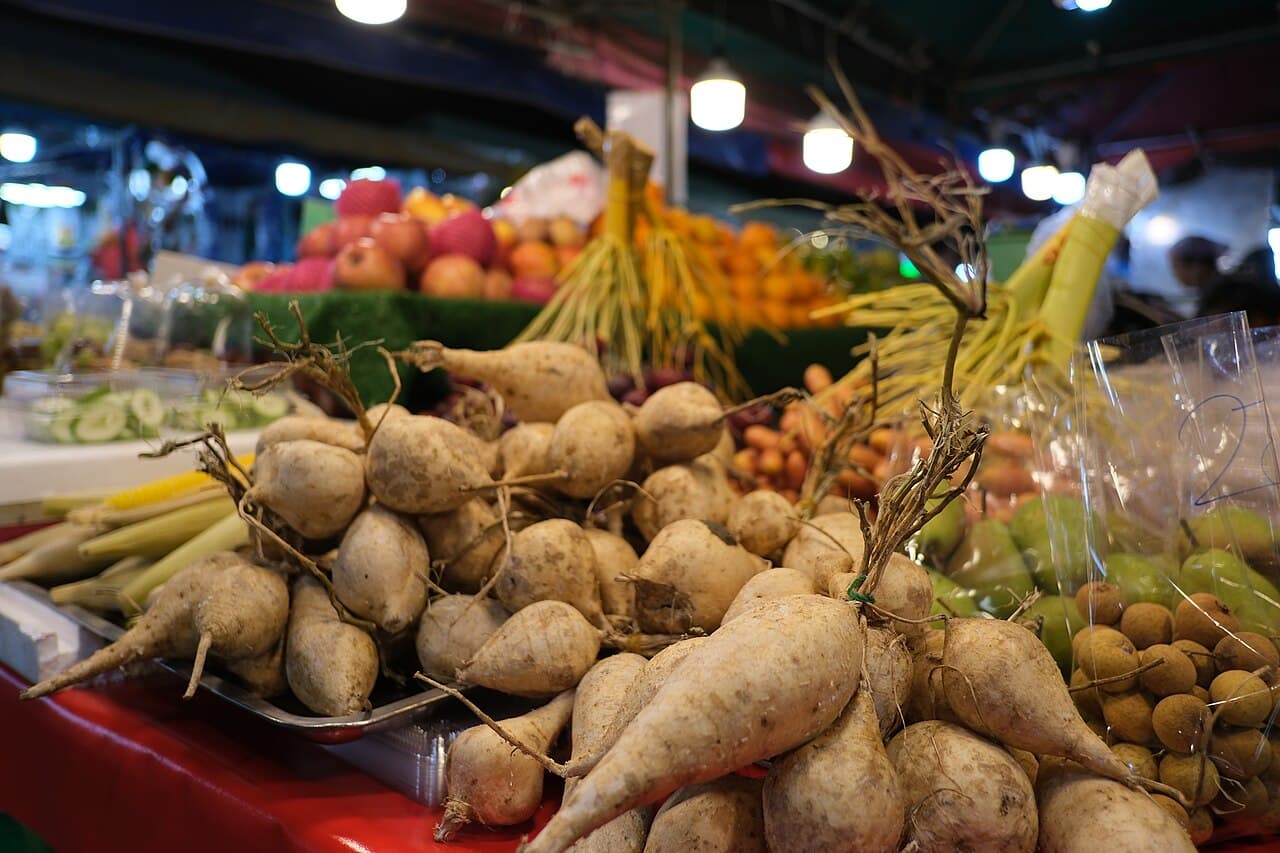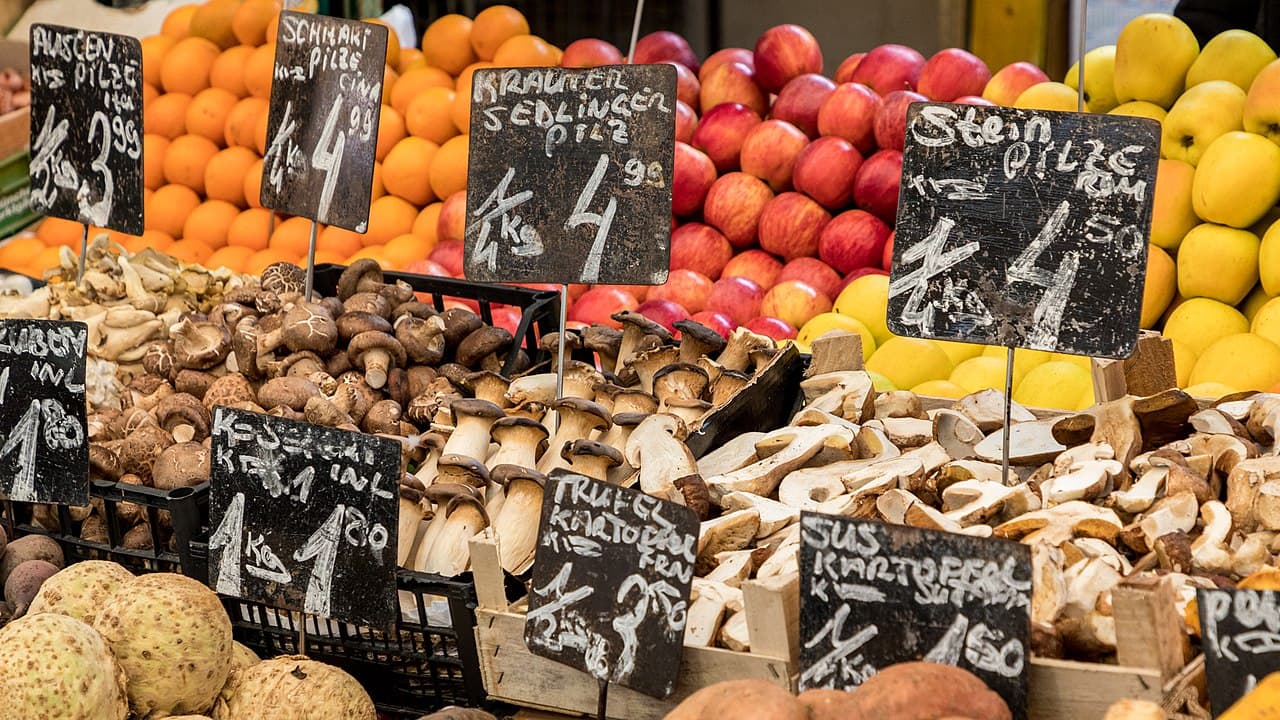
Europe's local markets are one of the most authentic and budget-friendly sides of travel — here you buy fresh produce, local delicacies and handmade souvenirs at prices you'll never find in a tourist shop. This guide teaches you how to use Europe's markets smartly, save money and avoid the common traps.
🍅 Types of markets
- Farmers / food market: fruit, vegetables, cheese, bread — fresh and cheap
- Covered market hall: open year-round, e.g. the Spanish mercado and Italian mercato
- Flea market: collectibles, antiques and souvenirs
- Seasonal markets: Christmas markets in winter — a sight in their own right
💶 How to save at the market
- Prices are often by weight — know the cost per kilo or per 100 grams
- You get the local price by choosing a market slightly away from the tourist centre
- At the end of the day vendors often discount perishable goods
- Assemble a picnic lunch at the market — you'll save $8-15 a day versus a restaurant
- Compare it with European supermarket prices to see where buying is better
🕐 When to go
Morning is best at a farmers market — the choice is widest and the produce freshest. If you're after discounts, the opposite applies: arrive near closing, when vendors sell off what's left.
Many markets run only 2-3 days a week, and some only at weekends. Check the schedule in advance, especially given Europe's Sunday closing rules.
⚠️ Tourist traps and safety
- Pickpockets are active in a crowded market — keep money and phone in a front pocket or a bag close to your body
- Avoid the scale trick — watch the weighing and ask for a receipt
- A very cheap handmade item is often mass-produced — not authentic
- Haggling isn't done at a farmers market; at a flea market it's fine
Know the typical European travel scams — a market is exactly where a foreign traveller most often walks into a trap.
🌍 Famous markets in Europe
Tags