A jet bridge is the boarding bridge that connects the airport terminal directly to the aircraft door. It's the enclosed, movable corridor you walk through from the gate to the plane without ever stepping outside under the open sky. This guide explains how a jet bridge works, how it differs from bus boarding and what to keep in mind during boarding.
🌉 What a jet bridge is
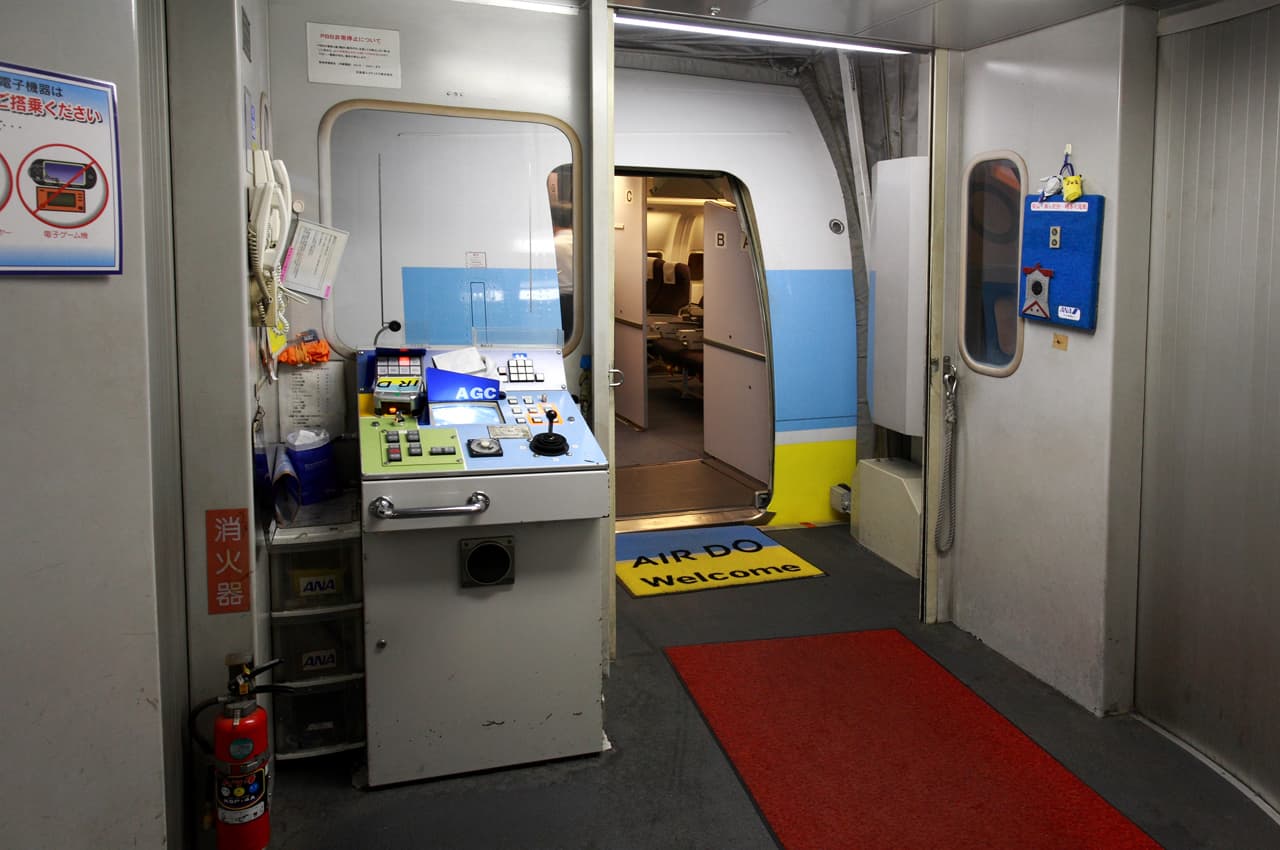
A jet bridge (also called a jetway or airbridge) is a movable, accordion-like corridor stretched between the terminal gate and the aircraft. It adjusts in height and length to line up precisely with the door of different-sized aircraft — from a small Airbus A320 to a large Boeing 777.
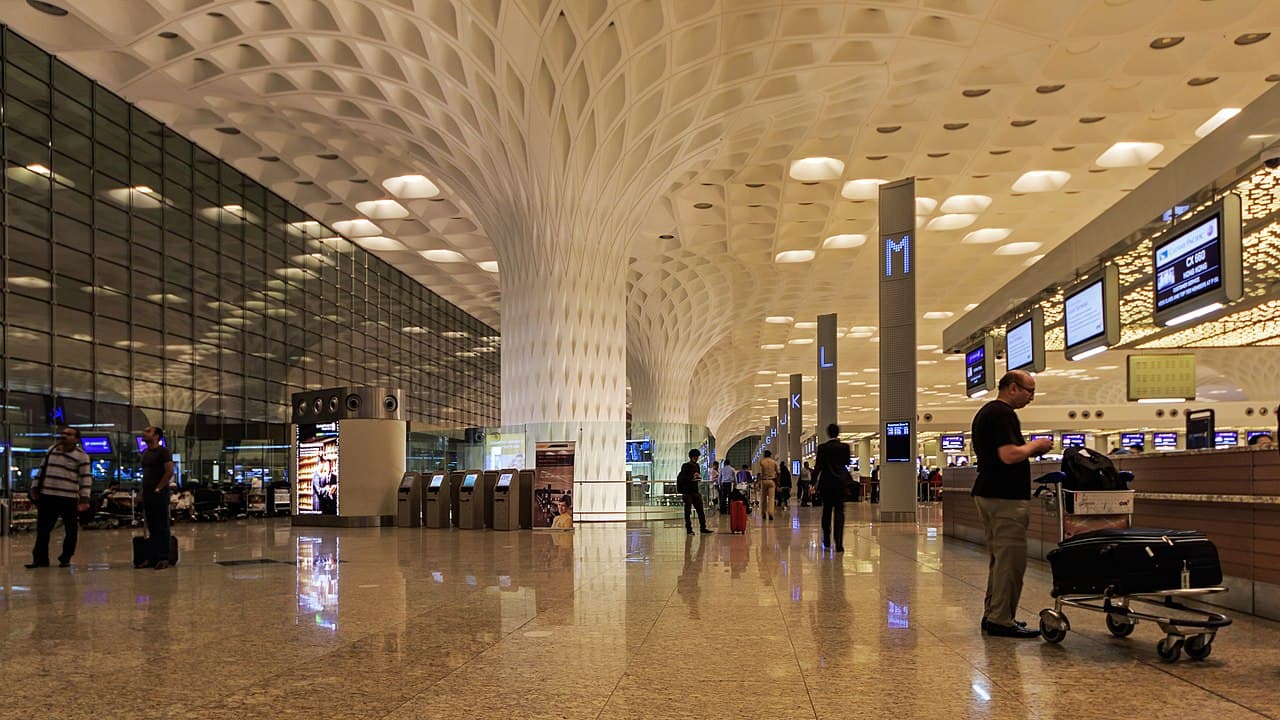
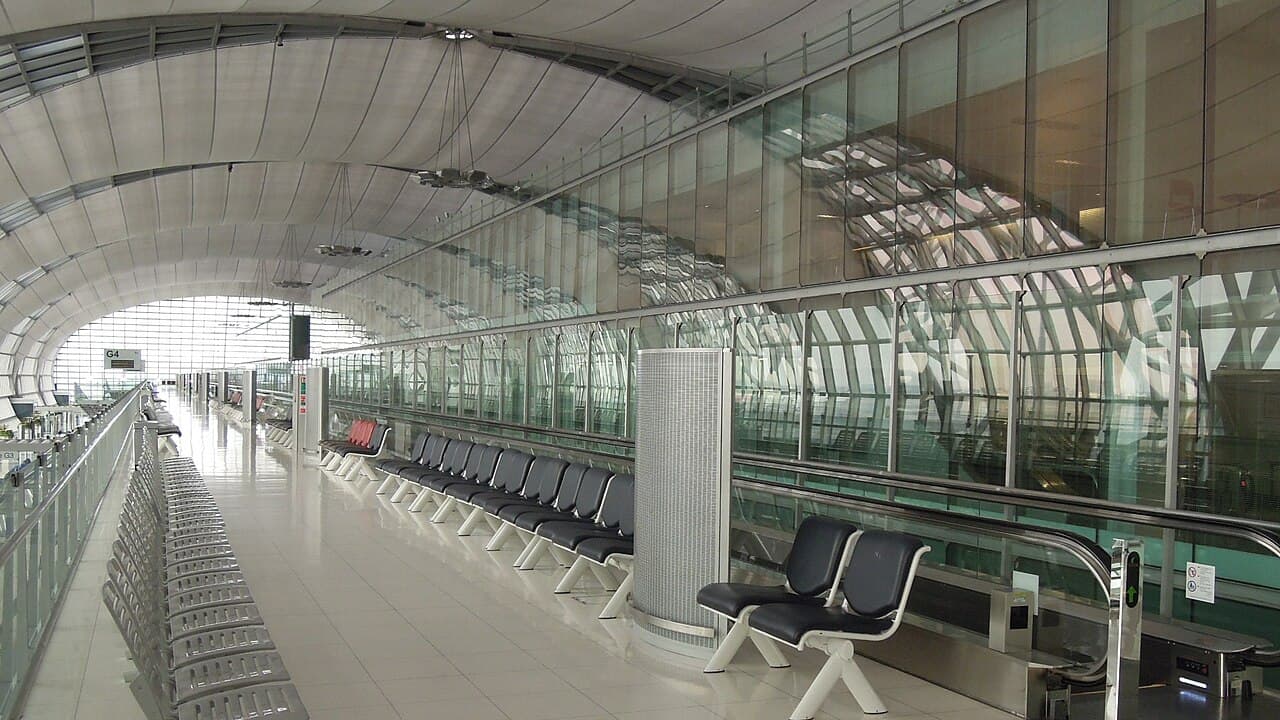
The main advantage of a jet bridge is comfort: passengers move straight from the terminal to the plane, sheltered from rain, wind and hot sun. Most large airports (Istanbul IST, Dubai DXB, Frankfurt FRA) serve nearly every gate with a jet bridge.
🚶 How boarding via a jet bridge works
When boarding starts, you scan your ticket or boarding pass at the gate and then step into the jet bridge. The bridge is slightly sloped or curved, the floor is non-slip and the sides are enclosed. At the end you reach the aircraft door, where a flight attendant greets you.
A jet bridge usually connects to the aircraft's forward (left) door. On larger aircraft two bridges are sometimes used — for the front and rear doors — to speed up boarding and deplaning. For the full process see the boarding guide.
🚌 Jet bridge vs bus boarding
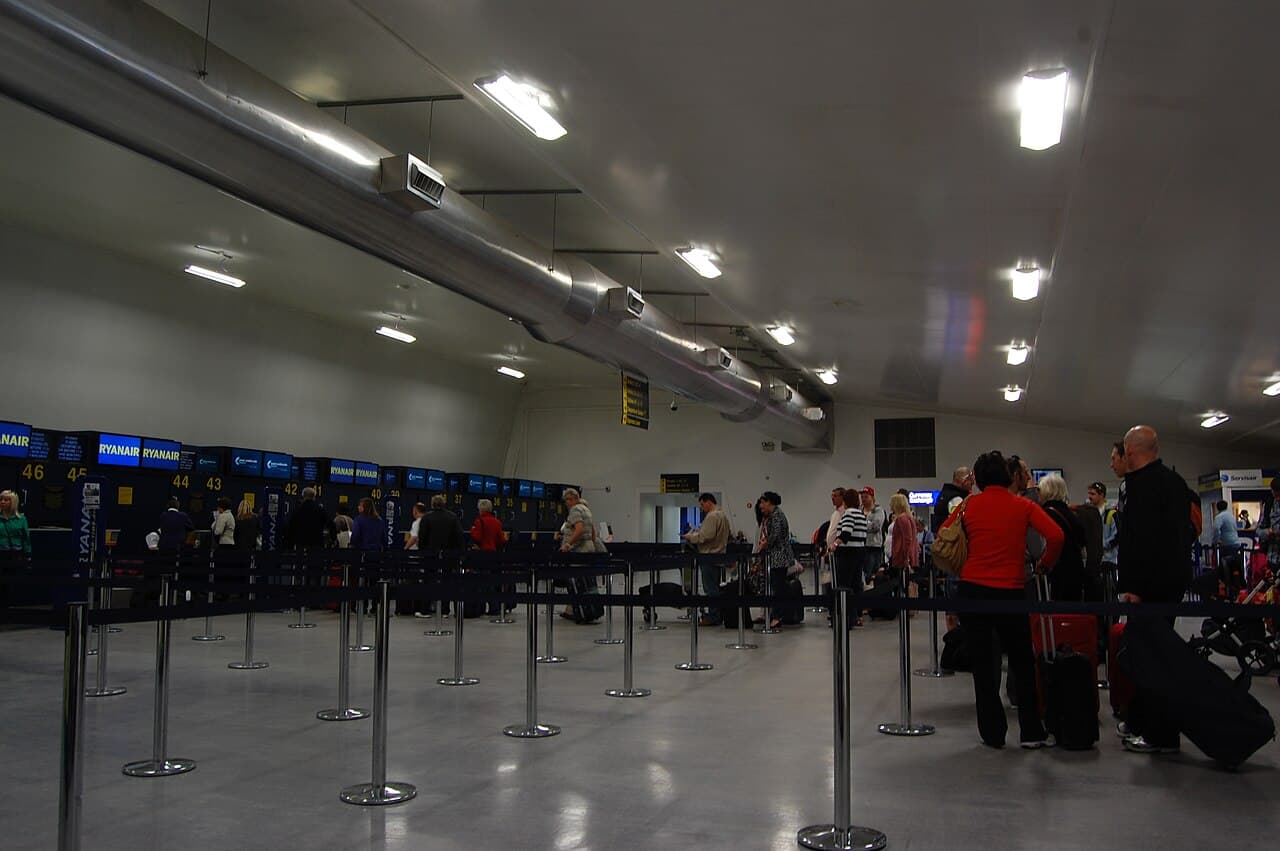
Not every flight uses a jet bridge. If the aircraft is parked at a remote stand, passengers are driven to the plane by bus and climb stairs to board. This is common with low-cost airlines and at smaller airports where jet bridges are fewer — see bus boarding from a remote stand.
- Jet bridge: comfortable, weather-protected, straight from the terminal — but more expensive for the airline
- Bus boarding: cheaper for the airline, so common on low-cost flights — but takes more time and waiting
- Which gate you head to is shown on the airport screens; see airport navigation
⏱️ Practical tips for boarding
The flow of people in a jet bridge often stops — passengers ahead are stowing their carry-ons. Don't rush and don't crowd the corridor. If your carry-on is heavy, remember the carry-on luggage rules — a manageable bag makes crossing the bridge easier.
A jet bridge can be cold or hot — it isn't fully climate-controlled because it's directly connected to the outside. Keep warm clothing handy if you're flying to a cold country.
If you want a photo, there's often a small window at the end of the jet bridge, near the aircraft — a good view of the plane and the apron.
🧭 What this means for your flight
Boarding via a jet bridge means the gate is right next to the aircraft and you won't wait for an extra bus — that saves time, especially on a tight connection. When choosing a flight, a jet bridge is a sign of comfort, though it doesn't affect the ticket price.
Before you book, compare prices and dates on Travel365's price calendar, and find cheap destinations with flight search.
Tags