Hotel check-in in Europe looks simple, but timing, deposits and paperwork often cause trouble in practice. This guide shows what to expect at the front desk and how to avoid extra cost or waiting.
🕑 Check-in and checkout times
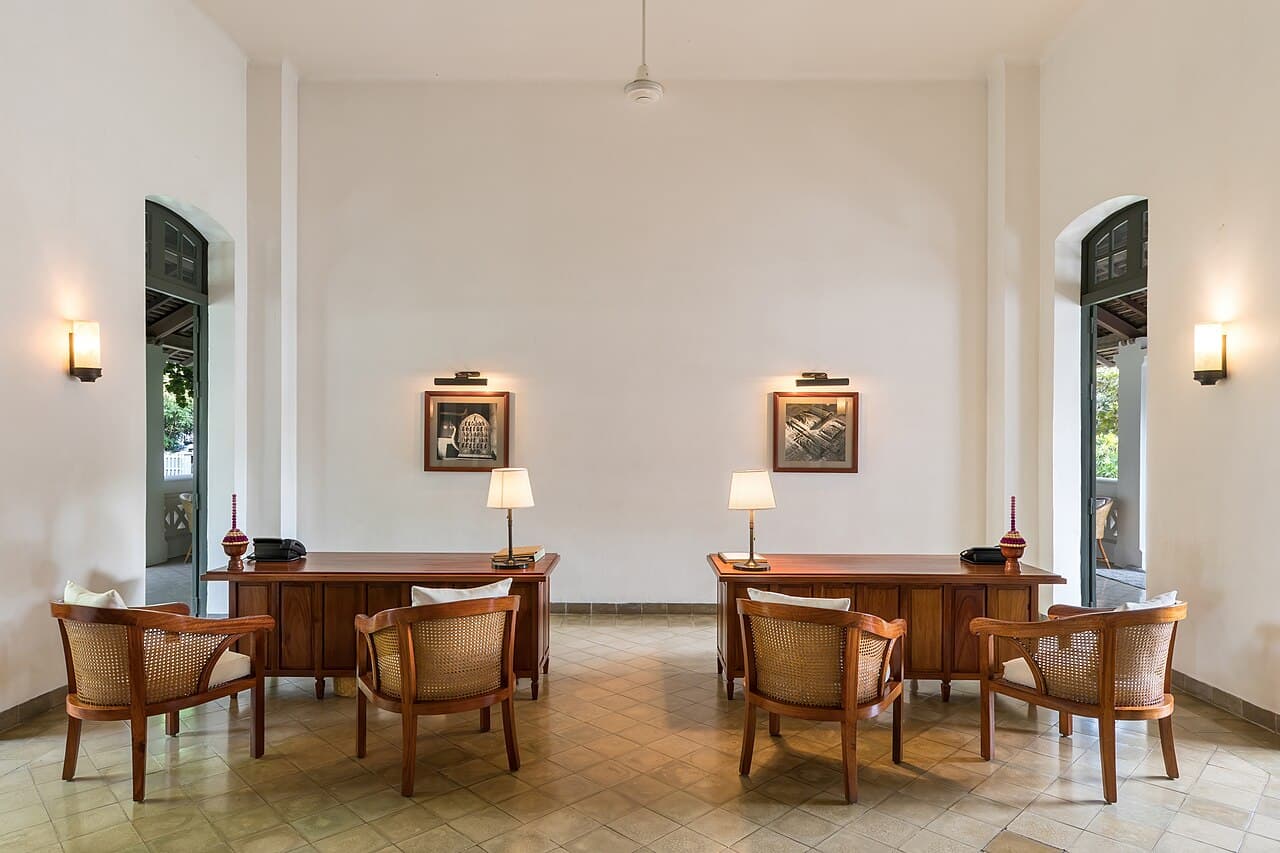
European hotels usually open check-in between 2:00 and 3:00 pm and require checkout by 11:00 am to 12:00 pm. If you arrive early in the morning, your room may not be ready. Most hotels store luggage for free, so leave your bags at the desk and start exploring.
🪪 Documents you need
In many countries (Italy, Spain, Portugal, Greece) hotels are legally required to register your passport, so keep it handy and not at the bottom of the suitcase. A booking confirmation on your phone or printed is also useful.
💳 Deposit and city tax
A hotel may block money on your card as a deposit, often the cost of the stay or a fixed amount. The hold is released after checkout but can take several days, so keep spare credit limit. Local tourist tax (usually $1-5 per night) is often paid at the hotel — see "Tourist Tax in Europe: The Hotel's Hidden Cost".
🌙 Late arrival and early check-in
- If you arrive after 10:00 pm, tell the hotel in advance so reception stays open or sends you a code
- Early check-in is often paid or subject to availability — request it beforehand
- Many apartments and small hotels use a key box; confirm the code before arrival
- Photograph any existing damage when you enter the room
If you arrive late without notice, some hotels may cancel the booking and still charge the first night.
🧭 Before and after arrival
Plan the route from the airport to the hotel in advance — see "Public Transport Tickets in Europe: A Traveler's Guide". If you are choosing between a flat and a hotel, read "Apartment or Hotel in Europe? Which One Wins", and for the full booking process, "Hotel Booking Guide 2026: How to Find the Cheapest Room".
Find flights to European cities with Travel365's flight search and plan check-in around your arrival time.
Tags