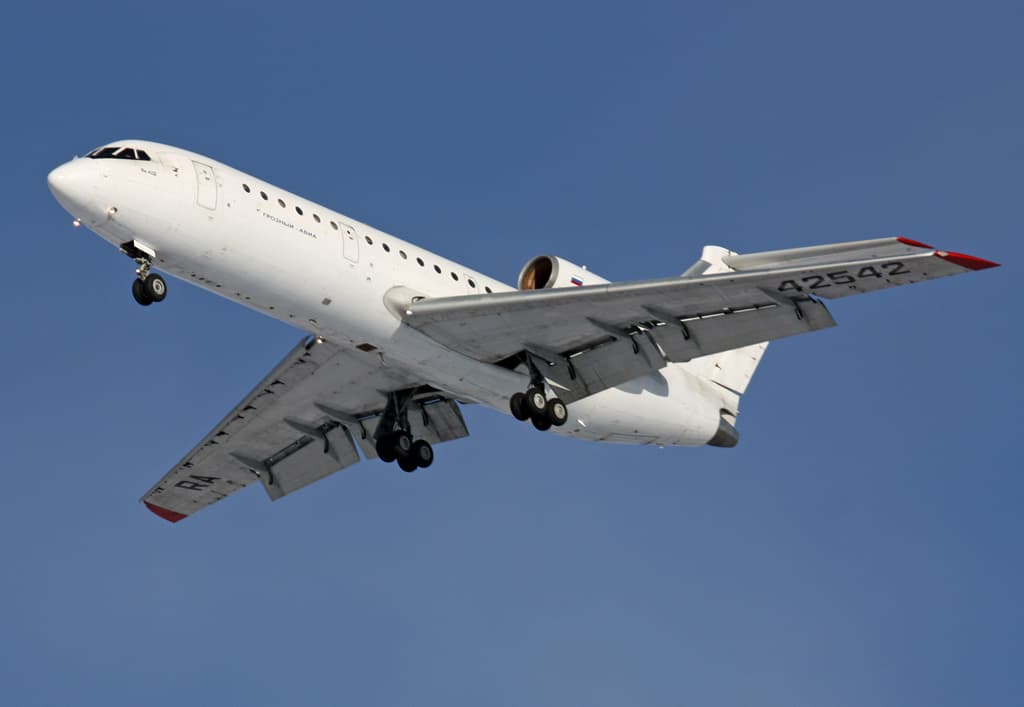
Airplane engines are the most noticeable part of a flight and often the most worrying: the roar at takeoff, the vibration, one or two engines hanging under the wing. In reality a modern engine is one of the most reliable machines in aviation. This guide explains in plain language what types exist and what they mean for you as a passenger.
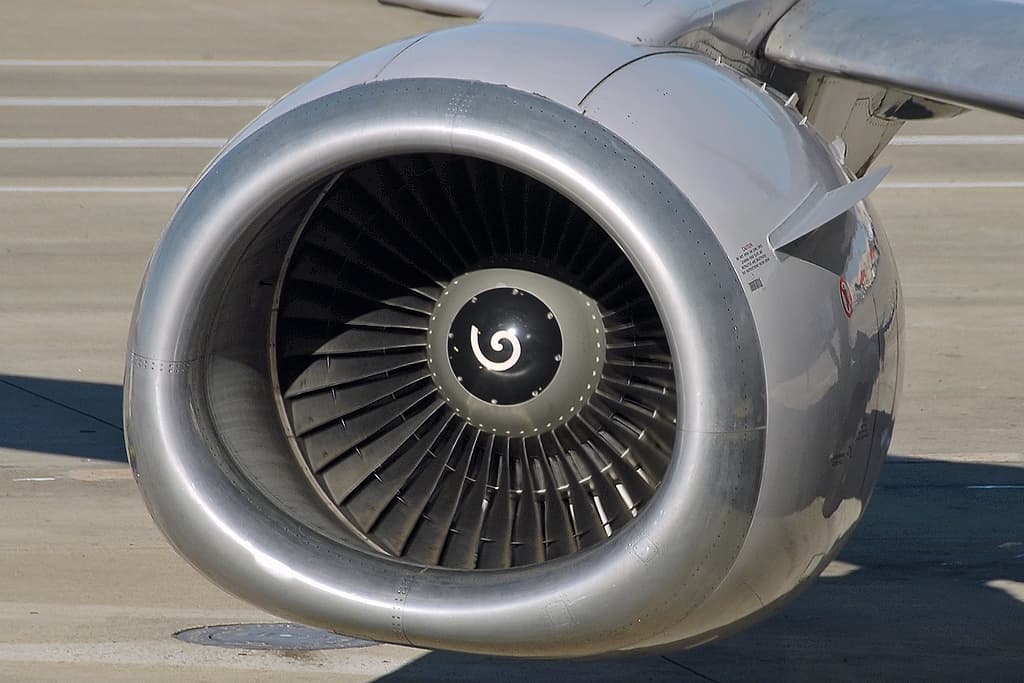
🔧 Turbofan — the modern airliner standard
The Airbus A320, Boeing 737 and most other widely used airliners fly with turbofan engines. A large fan at the front pushes most of the air around the engine core, and that bypass air produces a big share of the thrust. These engines are far more efficient and quieter than older jet engines, which is why most airlines choose them.
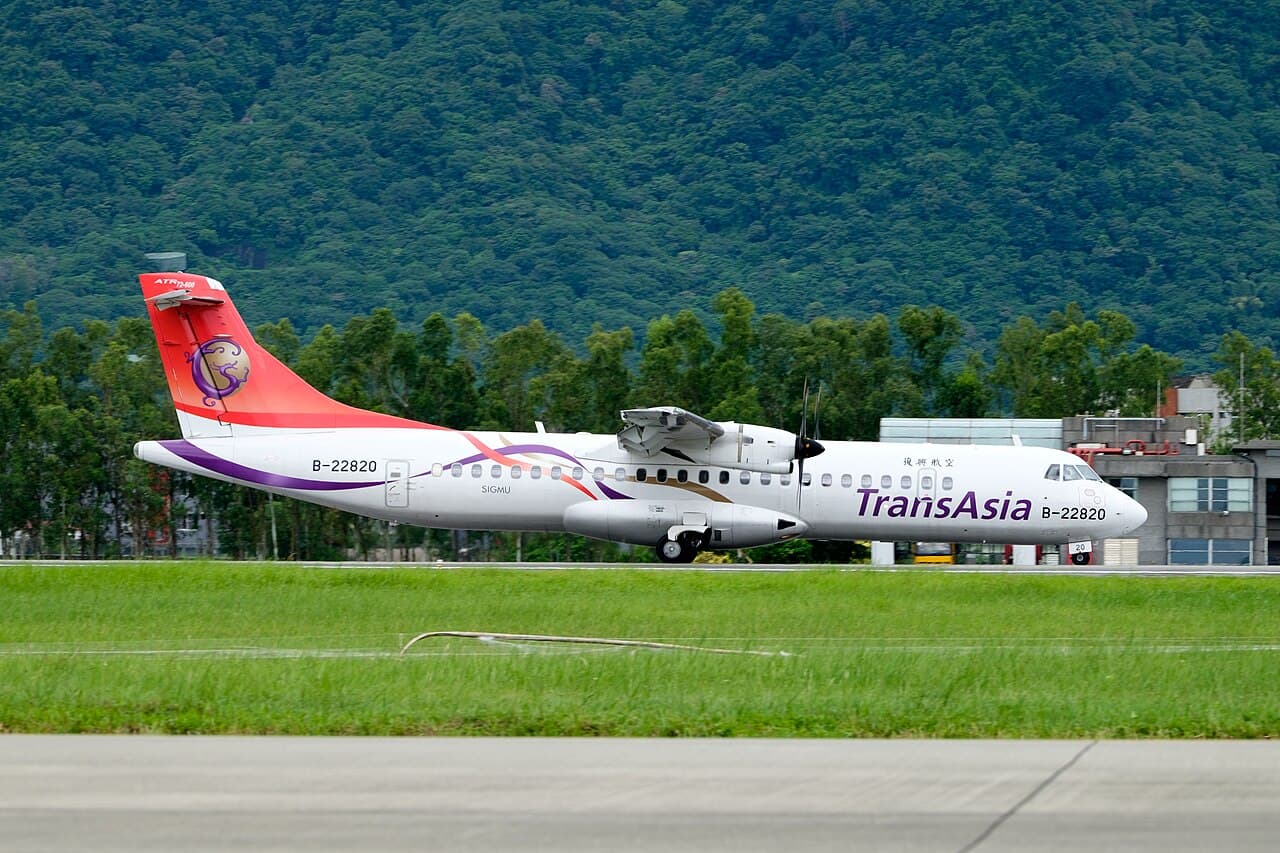
🌀 Turboprop — the short-route workhorse
Turboprop aircraft such as the ATR 72 or the Q400 use a turbine to spin a propeller. They are economical on short routes and operate easily from small airports. The cabin is a little noisier and the cruising speed lower than a jet's, but the safety standards are the same as for the rest of commercial aviation. On long-haul routes you will almost never meet one.
🔢 Why some planes have two engines and others four
- Twin-engine jets are the most common today — they are cheaper to run and very reliable
- Four-engine aircraft (like the Airbus A380) are mostly older giants and now fly less often
- A twin-engine plane can keep flying and land safely on a single engine
- On ocean crossings, airlines plan routes so that an alternate airport is always within reach
One engine failing is not a disaster: aircraft are designed and certified to land safely on one engine.
🔊 What engine sound means in flight
At takeoff the engines run at full power, so the noise is highest. A few minutes later, as the plane climbs, power is reduced and the sound changes. That is normal. A sudden change in engine note on approach is normal too — the pilots are adjusting speed. For the other sounds after takeoff, see Airplane Landing Gear: What the Noises After Takeoff Mean.
💺 Where the engines are quietest
Engine noise is stronger near the wings and in the rear rows and weaker toward the front. If noise bothers you, front rows are the better pick. For other seat criteria, see Airplane Seat Selection: How to Choose the Best Seat, and for the difference between manufacturers, Aircraft Types Explained: Airbus vs Boeing.
✅ Practical tips
- If you are nervous, remember that engine noise is a normal part of every flight
- When booking, check the aircraft type — a short route may be flown by a turboprop
- For bumpy air, see Airplane Turbulence: Why It Happens and How to Cope
- Compare fares on Travel365's price calendar
Tags