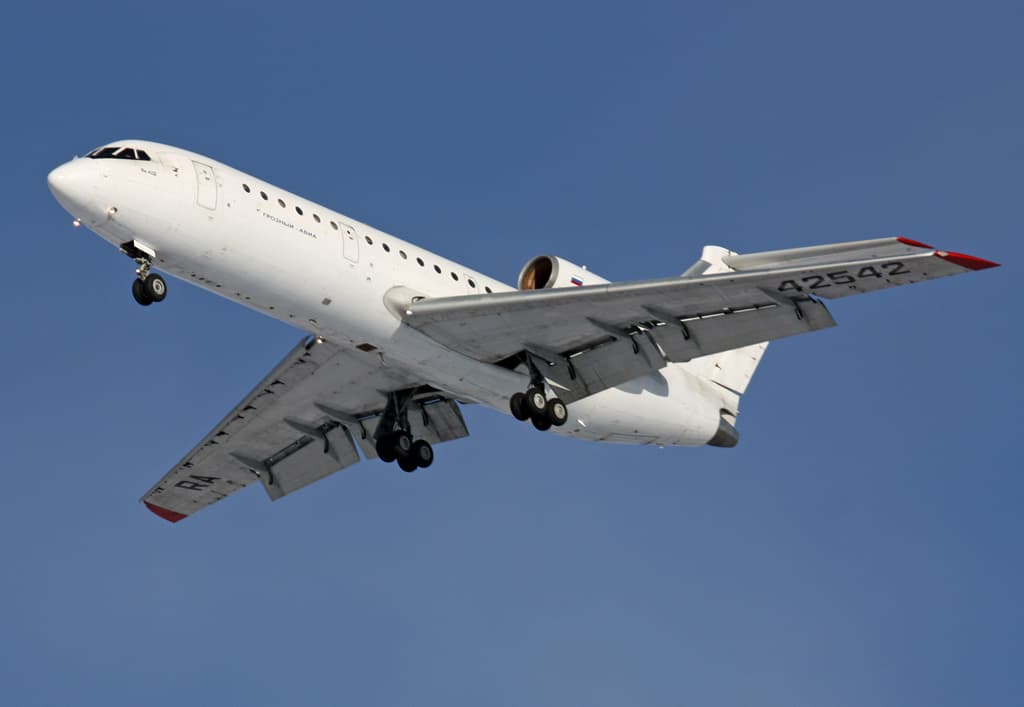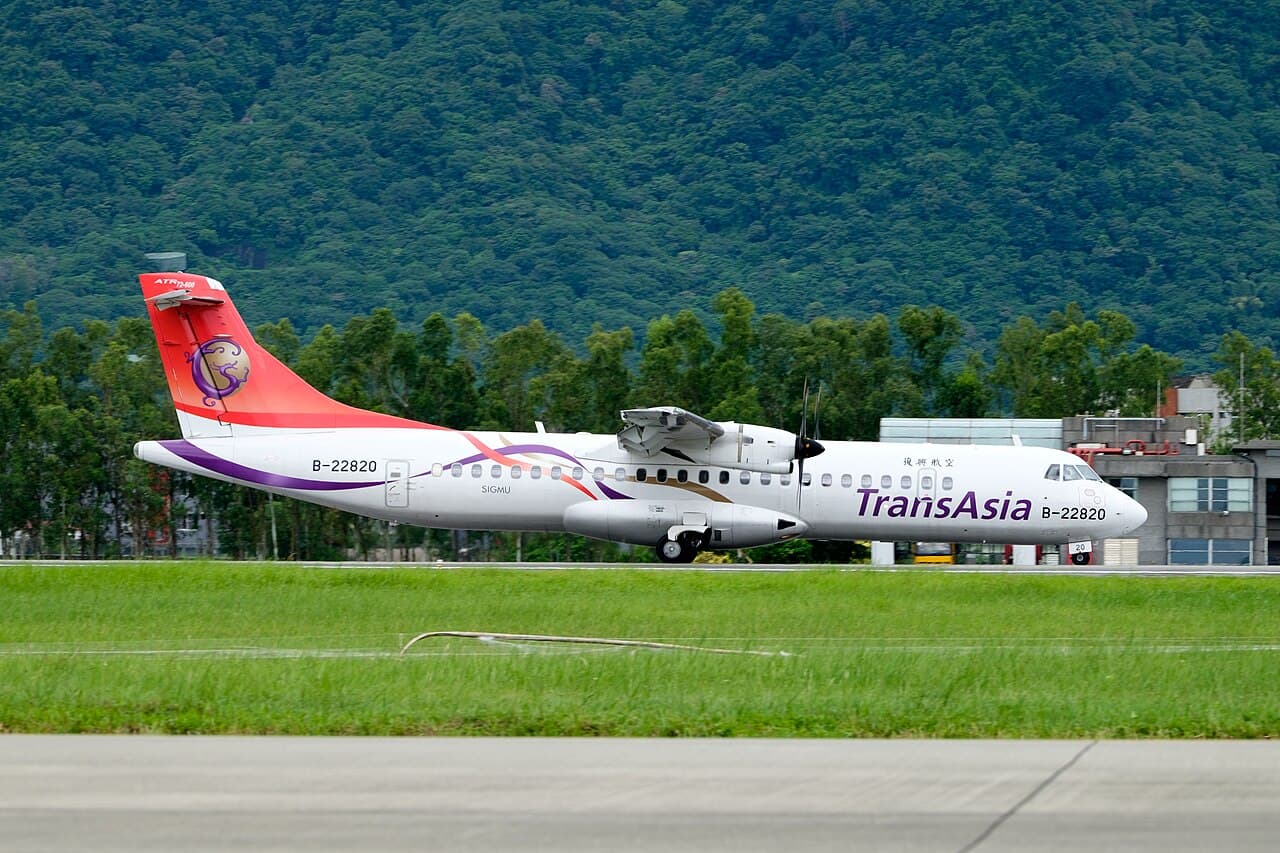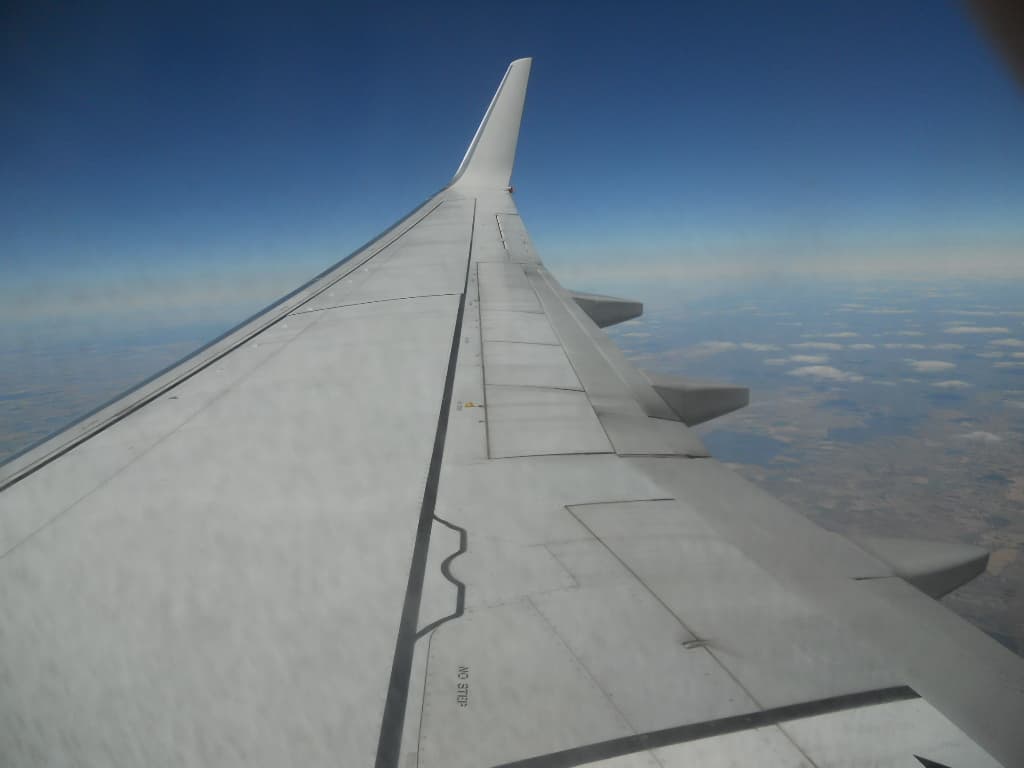
Airplane wing flaps are movable surfaces on the trailing edge of the wing that extend during takeoff and landing to give the wing extra lift. If you sit near the wing, you have probably seen its rear section slowly slide backward and downward. That is not a malfunction — it is a normal, planned maneuver.
🪽 What a flap actually does
In flight a wing creates lift from the speed of the air passing over it. During takeoff and landing the plane is slow, so the wing needs a larger area and a more curved shape. Extended flaps make the wing wider and more curved, which lets the aircraft stay airborne at a lower speed.
That brings two benefits: the takeoff run gets shorter, and on landing the plane touches down more slowly, which shortens the braking distance.
🔎 Flap, slat and spoiler — what is the difference
- Flap — on the trailing edge of the wing, extends backward and downward
- Slat — on the leading edge, keeps the airflow attached to the wing at low speed
- Spoiler — on the top of the wing, rises after touchdown to destroy lift and press the plane onto the runway
- Aileron — near the wingtip, controls the roll of the aircraft
The panels that pop up on top of the wing after landing are spoilers. They do not speed the plane up — they help it brake.
⏱️ What happens at each stage
Before takeoff the pilots set the flaps partly, for example 5-15 degrees depending on the aircraft type. As the plane climbs and gains speed, the flaps retract in steps, so within roughly 10-20 minutes the wing is fully smooth.
Before landing the process reverses: flaps extend in stages and finish at their largest setting, often 30-40 degrees. You may hear a hydraulic hum while the speed falls to roughly 155-165 mph. The landing gear noises usually come around the same time — details in Airplane Landing Gear: What the Noises After Takeoff Mean.
📸 How to watch it from the window
The best view comes from seats near the wing. If you are wondering about the view quality, read Wing Seat on a Plane: Smoother Ride or Blocked View?. During landing, watch the flap sections slide out along their tracks, and at the wingtip look for the detail described in Airplane Winglets Explained: Why Wingtips Curve Upward.
When photographing the wing with your phone, press the lens against the window to cut down reflections.
😌 Is it safe
Flap movement is part of the aircraft design and repeats on every flight. A hum or light vibration is normal. For the general sensations of departure and arrival see Takeoff and Landing Explained: What Happens and Why.
Planning your next trip? Check the cheapest days in Travel365's price calendar and choose a wing seat at check-in.
Tags